Montevideo: A very disappointing Apocalypse

Living dead grunting, empty streets, inflated prices on everyday commodities; I entered Montevideo with few expectations, but was met with scenes more commonly found in films, like 28 Days Later, or on TV shows, such as The Walking Dead.
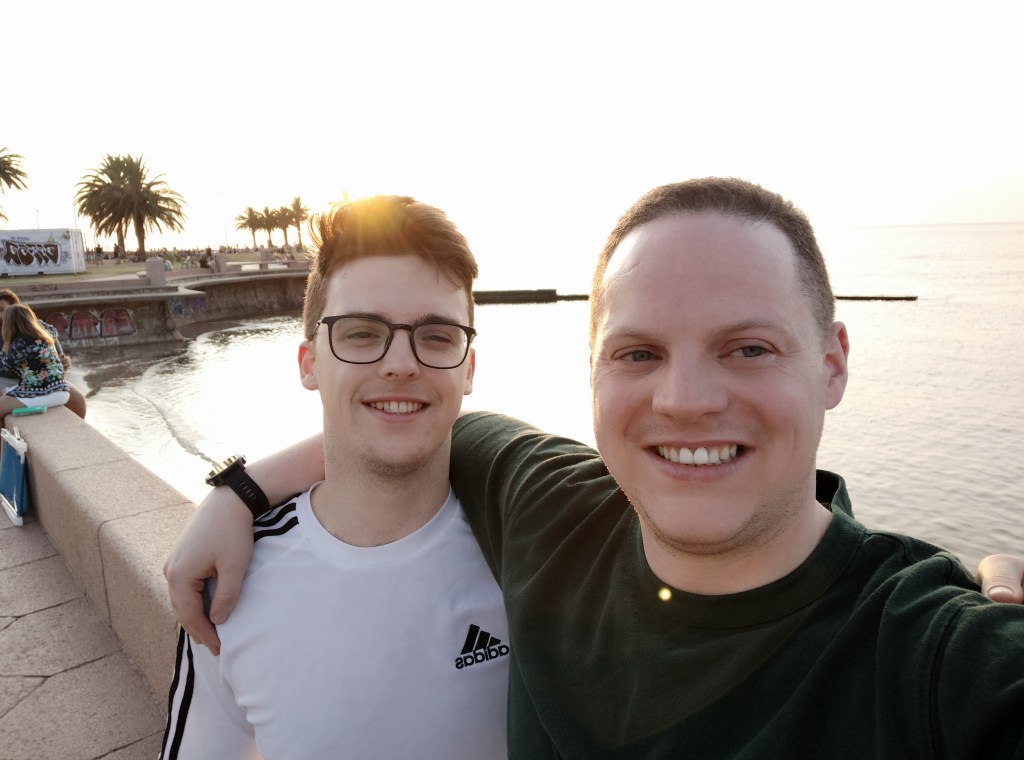
Los chicos visit the boardwalk

Much to my relief, it soon became apparent that Shaun of the Dead was more appropriate. The lobotomised blobs of human flesh in the hostel were simply reeling from the soothing effects of the devil’s lettuce.

Buenas Vibras dude

Stoned to high heaven, the entire hostel (ominously named Buenas Vibras) was barely functioning. The staff member that greeted my friend and I told us, first and foremost, that weed was legal, but he didn’t smoke. I can categorically say he was high as a kite as he uttered this statement.

Anyway, check in would be simple. It was only a small hostel. Right? Twenty minutes later, Tommy Chong at the desk was still trying to input our passport details onto his system.

We finally made it to the room. Upon finding a girl unresponsive on one bed, we were reassured “she’s okay, she’s just not moved since yesterday”. But this Oscar-winning impression of a baked potato didn’t distract from the fact that we appeared to be a bed short in the room.

“Ah, okay. This means you’re in the log cabin…”, chuckled the receptionist. The nervous tone to his laugh did seem quite ominous. We slowly meandered towards the smoking area. Unsure if he knew which planet we were on, I double checked we were in fact heading to the log cabin.
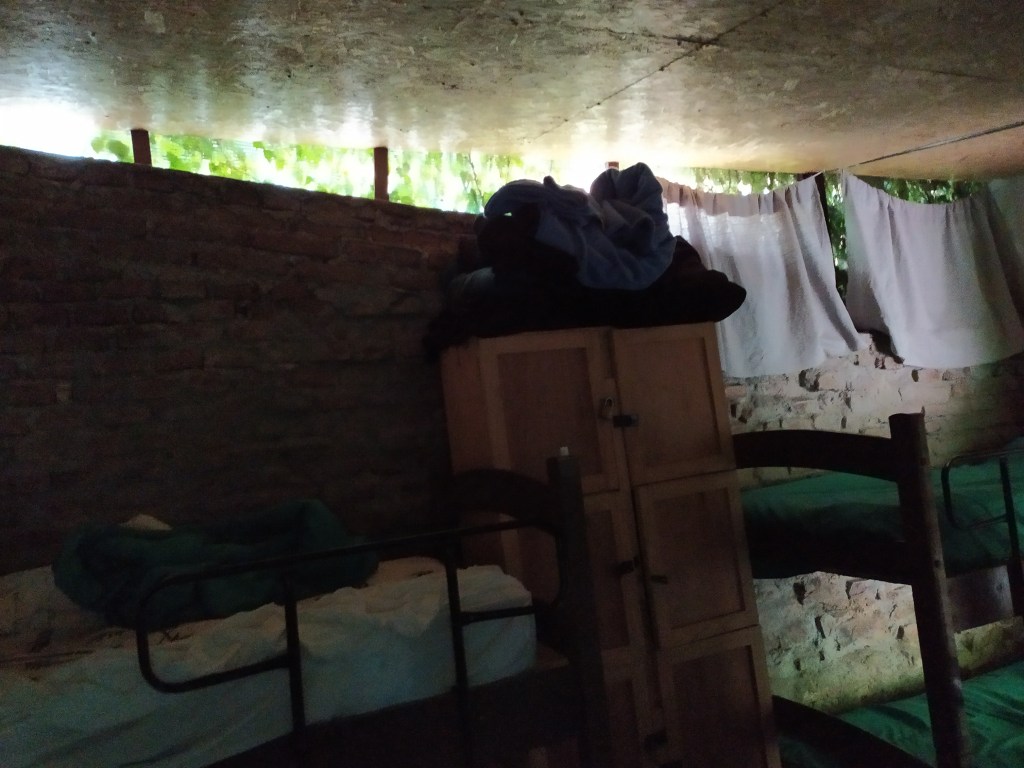
The log cabin. Only logs to be seen were my fellows guests.

The cabin was a glorified shed, but it was fine. The wall didn’t reach the ceiling and the bed didn’t have any dressings. The wall was not something likely to be fixed, but I did mention the bed. Despite it being like drawing blood from a stone, I managed to ascertain that there was someone who could get me some linens, but he wasn’t sure who it was. Next, I’d be drawing blood from a stoner. The linen could be a problem for later.

The hostel had a nice, relaxed vibe. Particularly endearing were the grunts of vague awareness and the dazed movements from all the guests whenever I left or returned to the cabin. But despite the riveting interactions, I felt it was time to explore the city.

The city that always sleeps

Montevideo could be a great city, but it was strangely desolate. Many locals were away on summer holidays in Punta del Este (Uruguay’s answer to Miami) or Argentina. The ghost town was only interrupted by the odd soul floating silently around. The bars were dead, the clubs non-existent, the restaurants barely frequented.

Due to time constraints (I was only in Montevideo for two days), I decided not to visit Punta del Este on this trip. I was convinced Montevideo would have a few things to offer so I persevered.

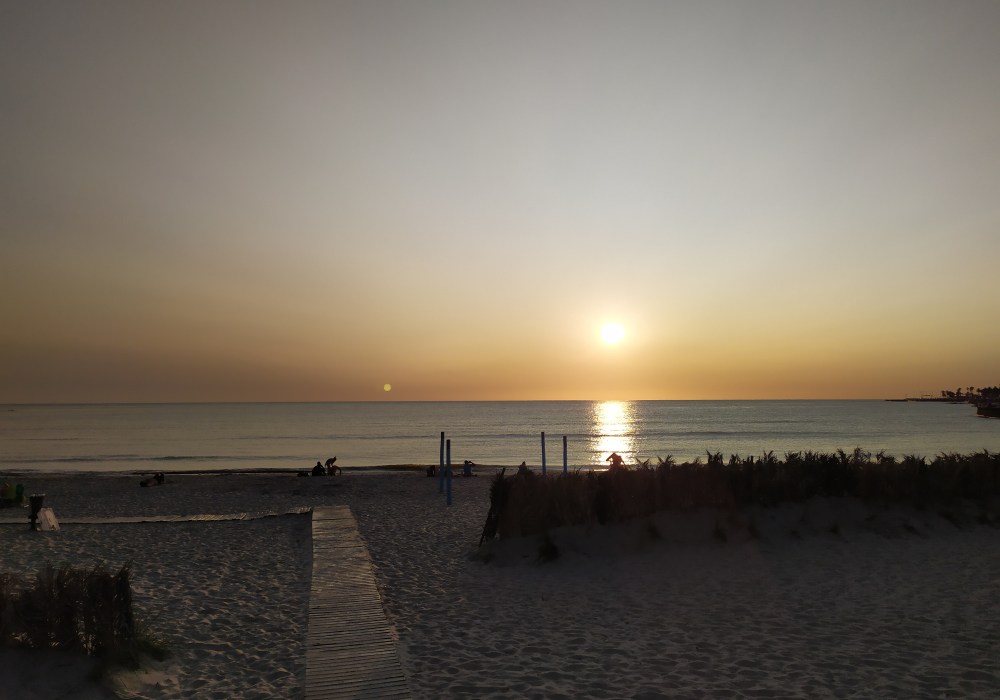
And so it proved. The boardwalk along the sea front (I’m careful not to call it a beach, because it is anything but a beach) was bubbling with people. It appears the city of hermits all flock to this part to watch the sunset each day. And they are correct to do so. It is a picturesque scene and absolutely blissful to watch the sun plop into the water so satisfyingly in the cool warmth of the evening.

I was lucky enough to also catch a parade doing their dress rehearsal for Carnaval or some other event. The drums beat and crowds gathered. Montevideo felt like an actual city in this moment, and not just a model neighbourhood built for testing nuclear bombs.

Visiting the football stadium and attached museum was also a decent time-killer. Particularly if, like me, there is an interest in football, it is easy to find yourself spending a good amount of time admiring the first ever Jules Rimet trophy. But strangely, the stadium was also very quiet, with just a handful of other people seen in our time there.
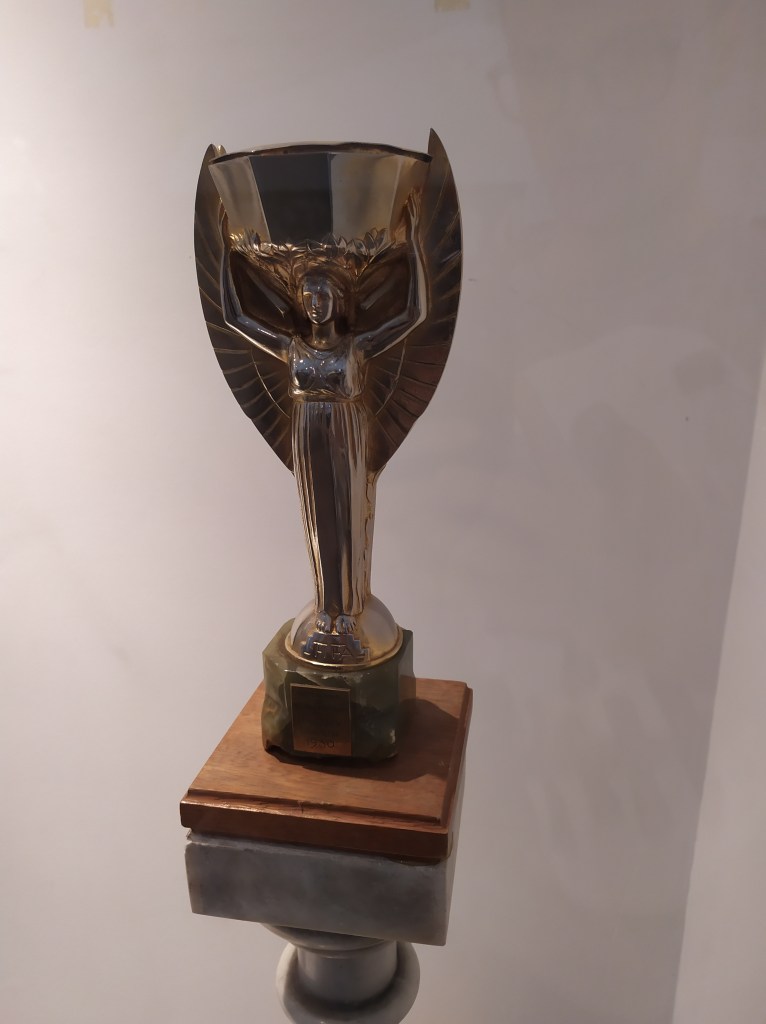
Jules Rimet still gleaming…

However, even when a hub of people could be found, it was hard to look past the eye-watering prices for everything. It’s one thing paying a high price, but the food and drink was not even very good. I was beginning to think two days in the city was enough.

A divine comedy

Upon returning to the hostel, the space cadet behind the desk let me back in. Ignoring the vacant look on his face, I asked if I could have a key for the front door in case I went back out and needed to come back in late. He said yes and walked off. A good five minutes later, he returned with a key. It didn’t look like a front door key, so I decided I had better check.

“Oh. No. It’s for this,” he raised a padlock from behind the desk. I asked how it would help me get back into the hostel and he got the answer spot on: it wouldn’t. Eventually we solved the mystery of what kind of key was needed for the front door, but the enigma of whether the hostel provided a laundry service was never cracked.
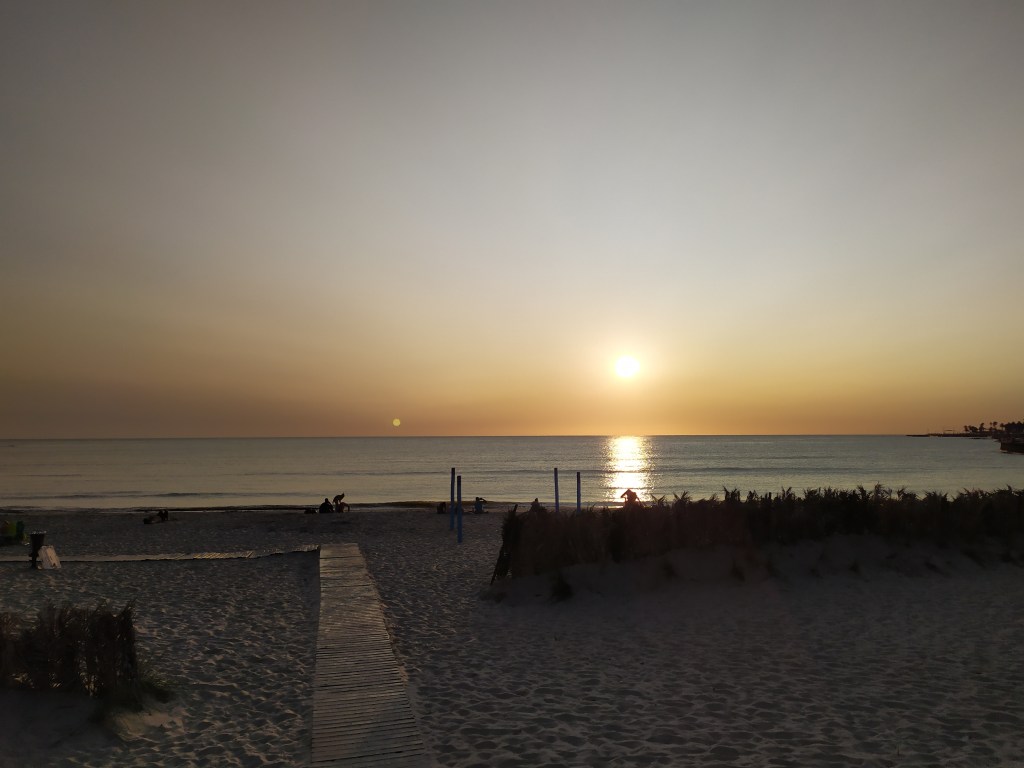
Sometimes the phrase “if you can’t beat them, join them” is appropriate. Sometimes sourcing a few grams of herbs from your frustratingly dopey receptionist is even more appropriate. And sometimes you have to roll a fat joint, sit in the garden and become one with the zombies.

Montevideo reminded me of many movies, whether unfair comparisons or not. But far from a stellar performance, it was a section of my trip that left me excited for the credits to roll and the curtains to close. Peru promised a lot more excitement…
Buenos Aires: Bus robbery? It’s all part of the experience

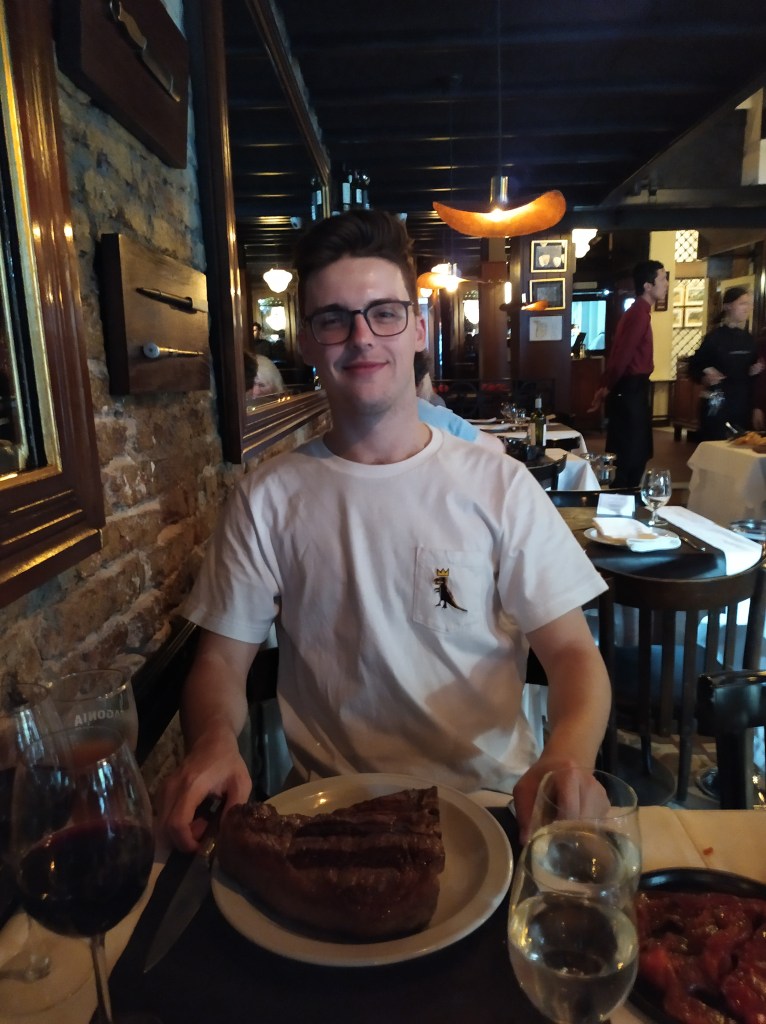
Steak bigger than my head!

The mere mention of Buenos Aires to many will conjure up classic images of partnership and conflict: the blue and yellow of Boca Juniors in a snarling face-off with the red and white of River Plate; locked eyes and intense footwork between two hoofers, mesmerising onlookers with a majestic tango; a collision of flavour as zesty chimichurri splashes onto a perfectly cooked cut of beef.

But the truth is that Buenos Aires is much less defined by tourist attractions than its everyday charms It is a city that, much like London, is a melting pot of culture.

A great example of this was getting my hair cut. At an Argentinian peluquería, there was a Peruvian, a Venezuelan and a Dominican working there. The Dominican lady passed her maté (a traditional South American tea-like drink) around as I waited and this created a bubble of atmosphere as I attempted to have very bad Spanglish conversation with them.

Having only visited a small number of barrios, I can’t give a personal account on all that the city has to offer. Two weeks is not nearly enough to see everything. And all that I did see cannot be fit into one blog post.

“I think we’ve walked in the wrong direction… again”

I had a personal tour guide called Nina, the Burro to my Shrek apparently, without whom I would have seen only a fraction of what I did. That said, her attempts at using Google Maps led us in the wrong direction many times and we’ve agreed that she should not quit her day-job any time soon!

Palermo, where I was based and spent most of my time, is a sought after area to live. Many of the best bars and food can be found here, but it is pricey compared to other areas of the city. As an example, the famous Don Julio steakhouse is located in the area. The finest cut of steak I have ever eaten, although I heard murmurs of better steak elsewhere in the city. An excuse to return, of course.

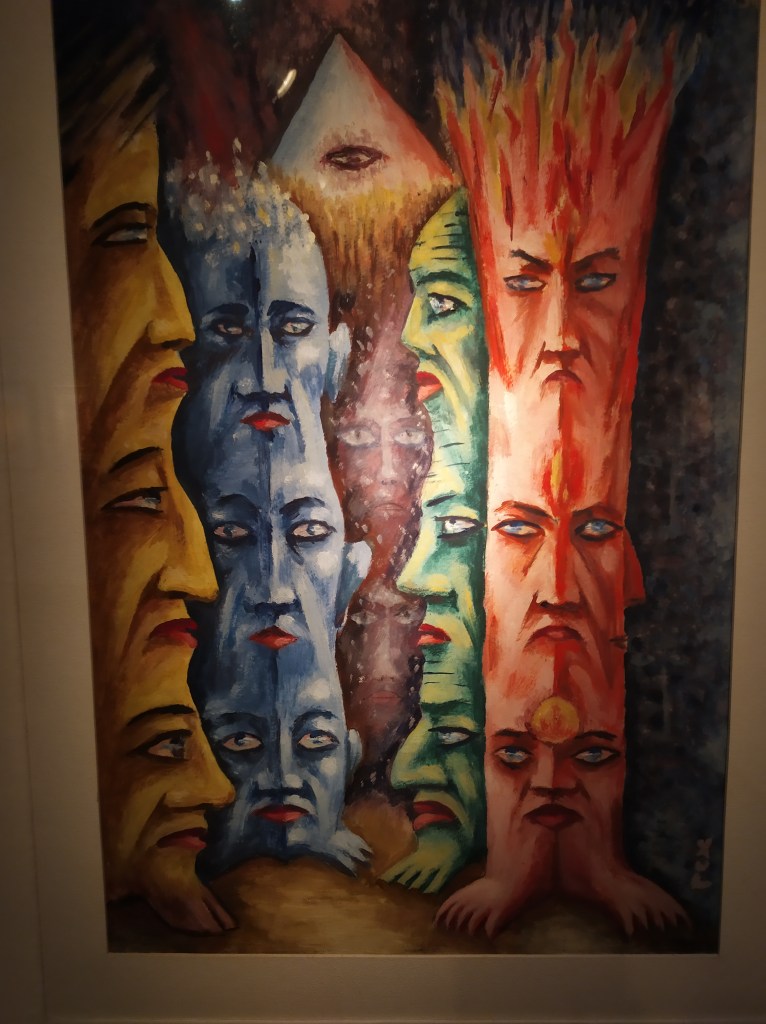
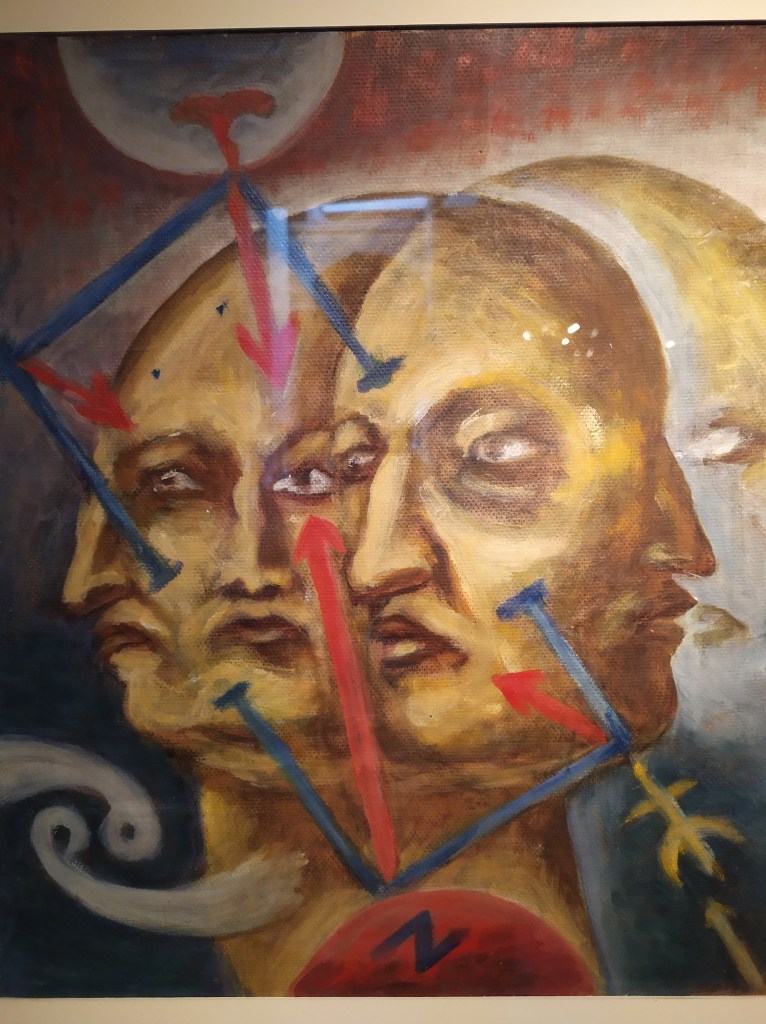
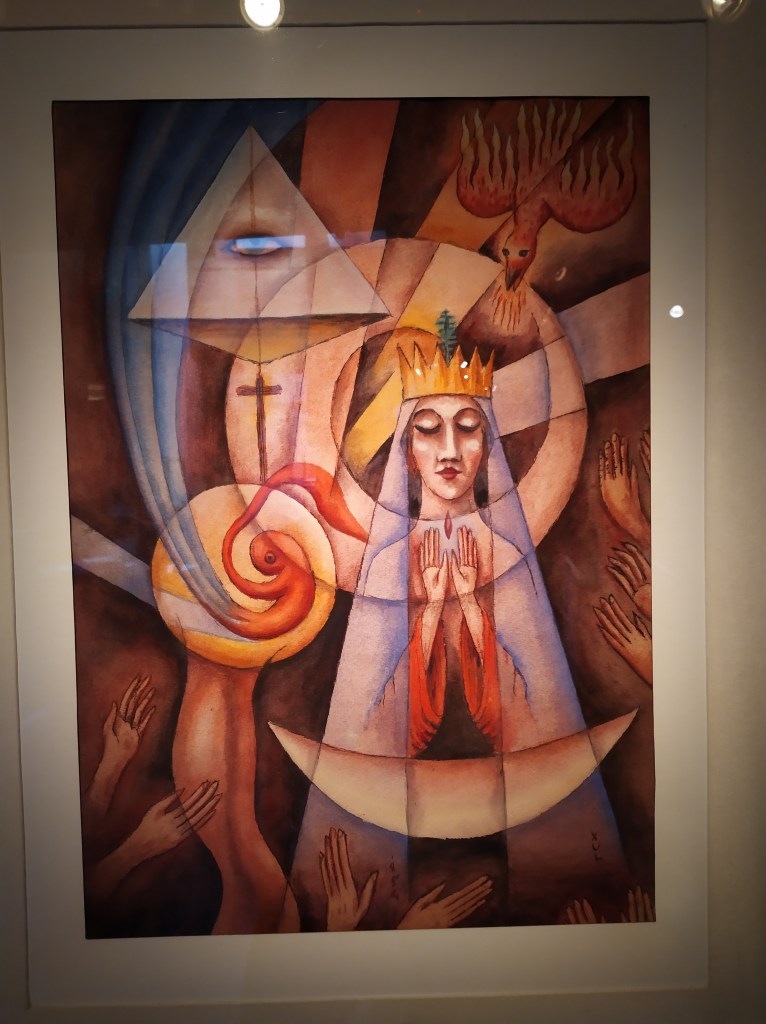
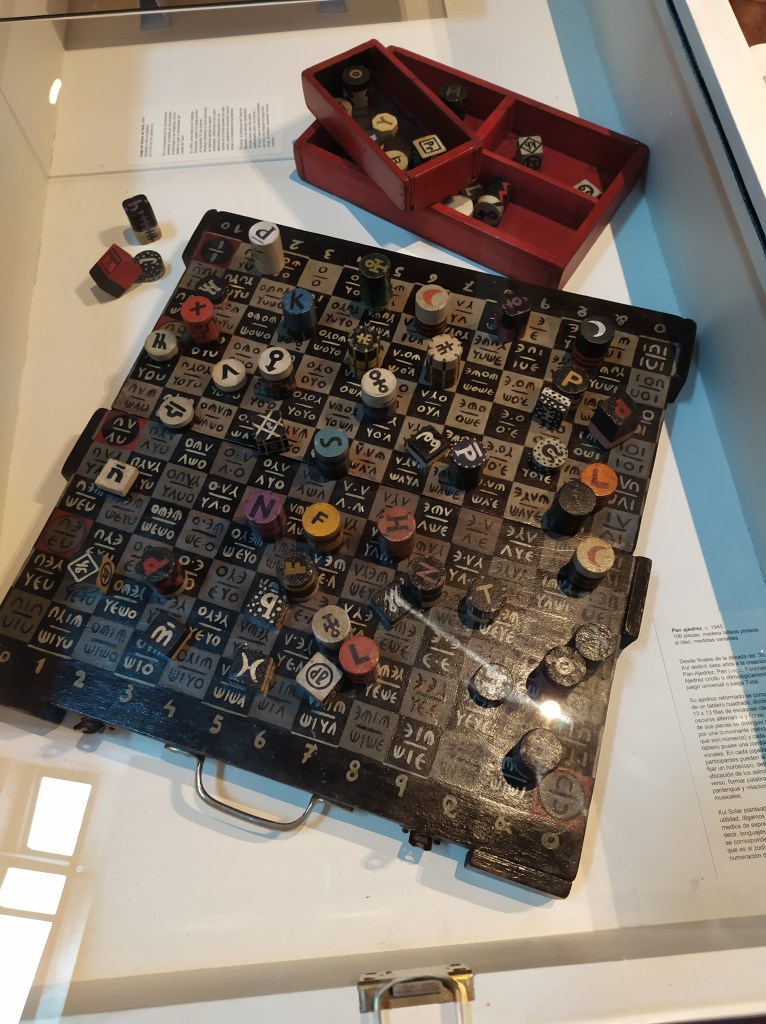
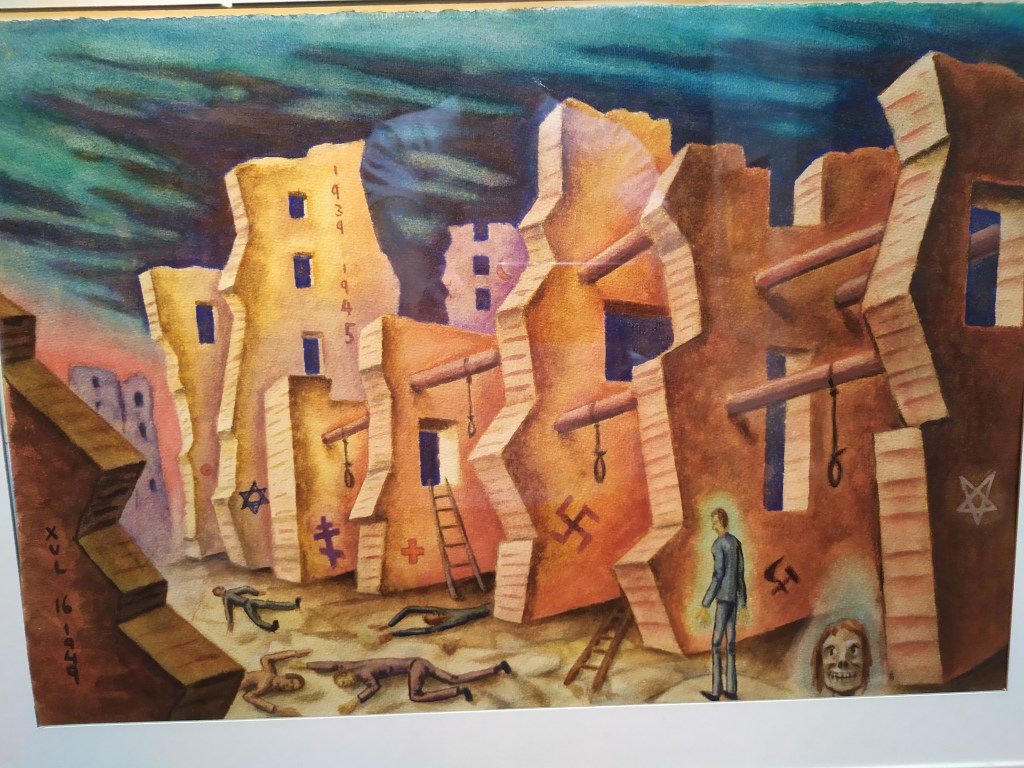
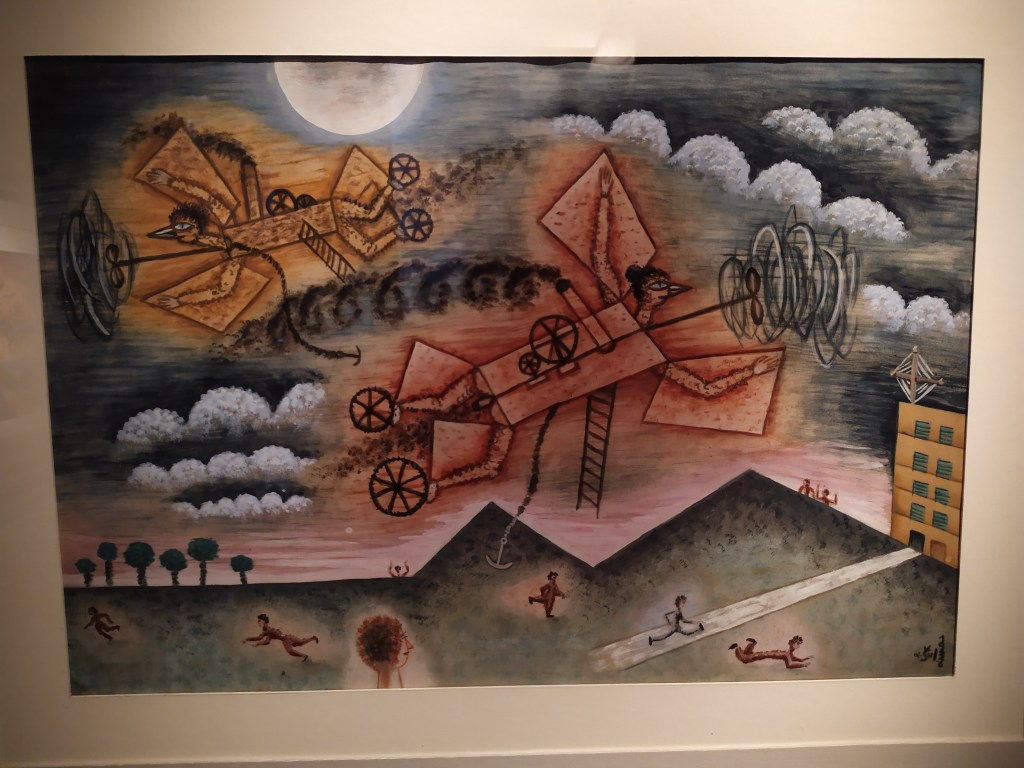
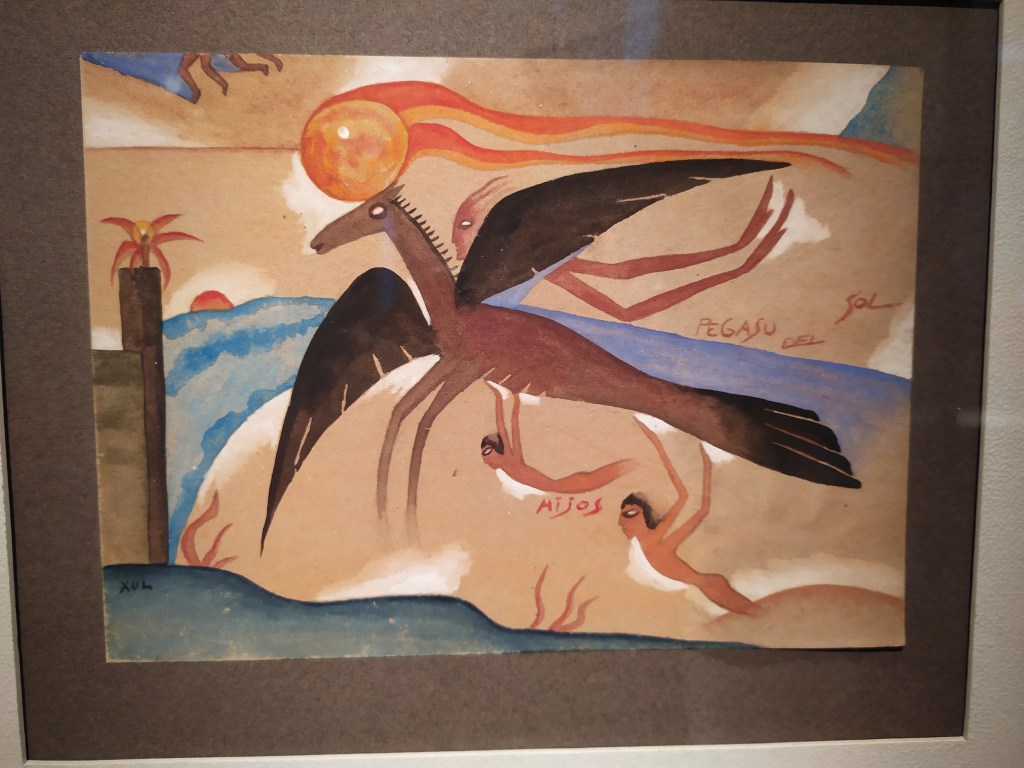
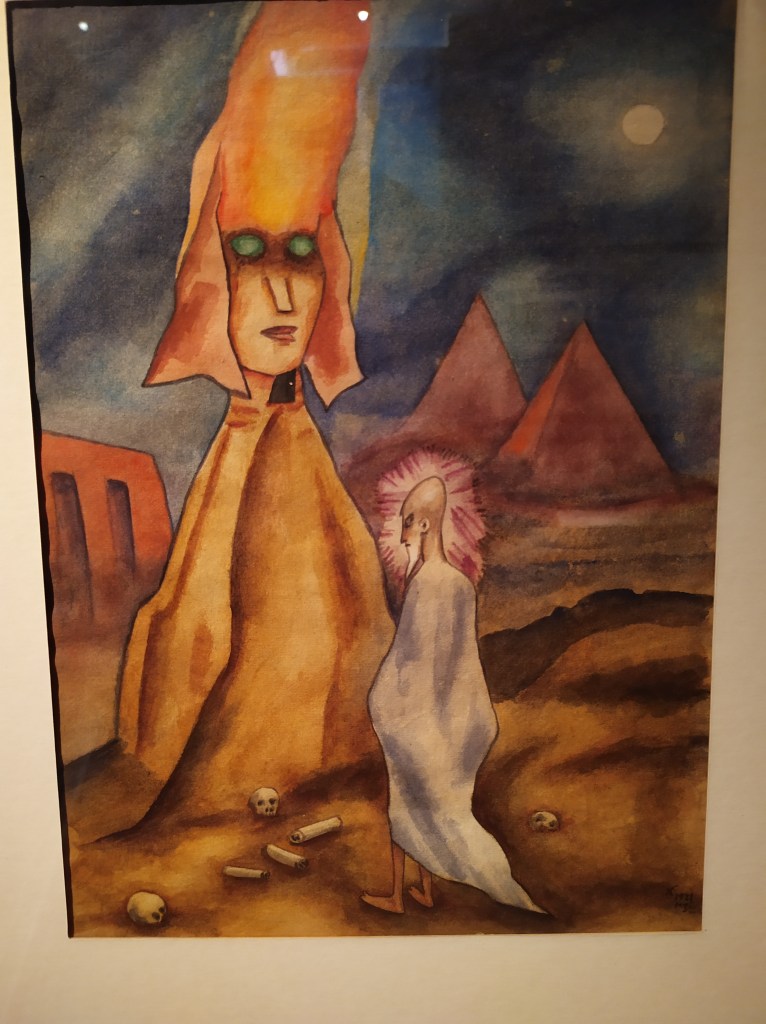
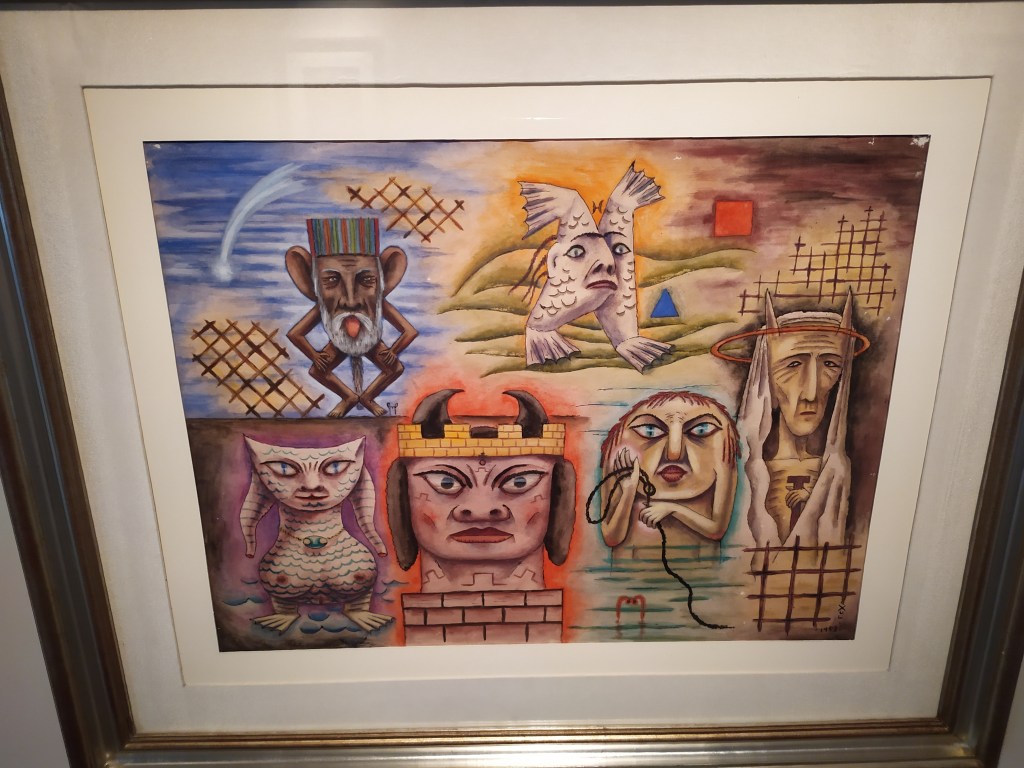
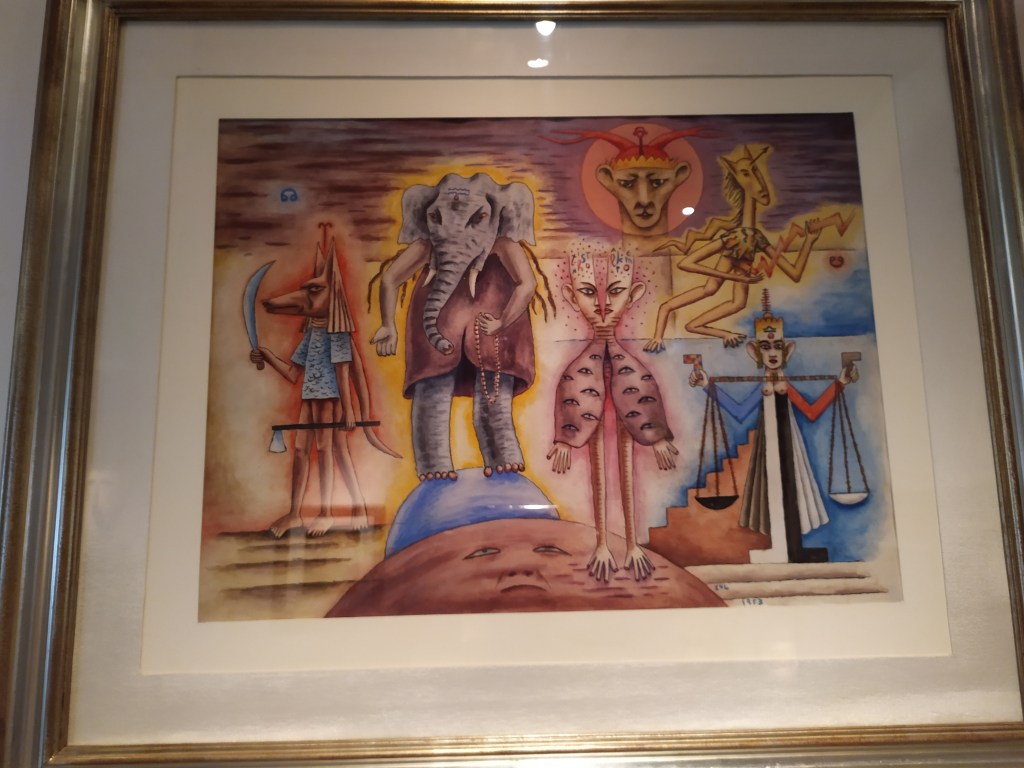
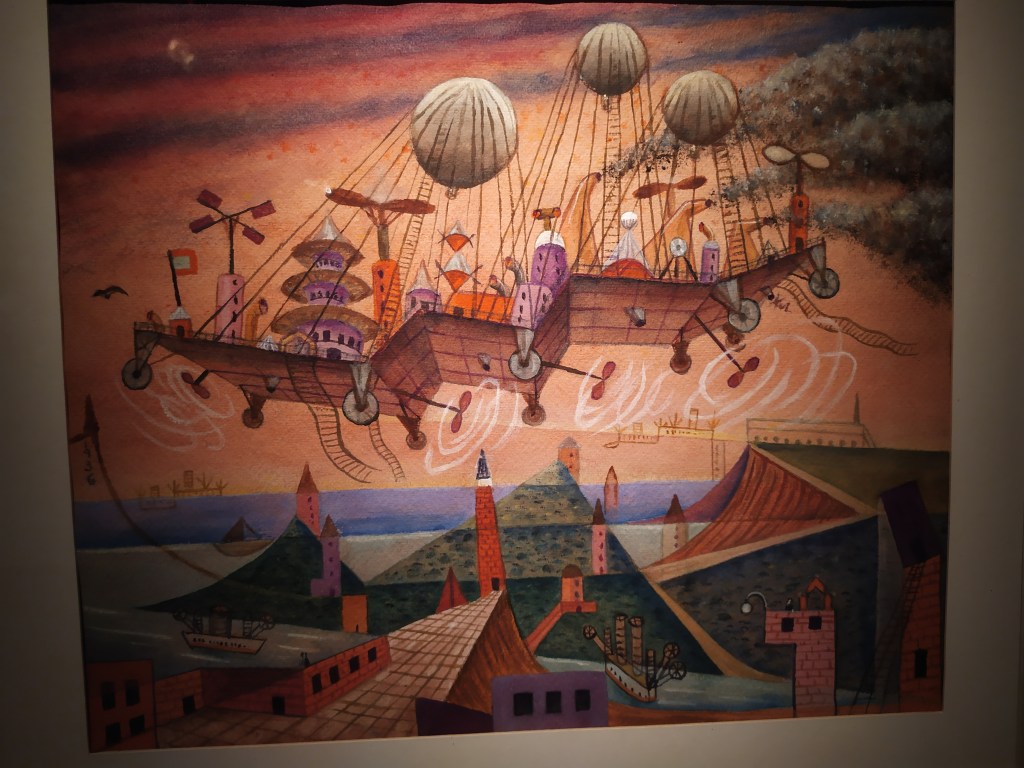
Excuses to return come in abundance in this city, however. Despite visiting a whole host of attractions, including MALBA, Centro Cultural Recoleta, and The Xul Solar Museum, I missed out on the Palacio Barolo, and only had a quick glimpse of Recoleta cemetery and a short walk around La Boca. BA is famous for its breweries, yet I I saw just two or three! For every point of interest I saw, I missed out on another.

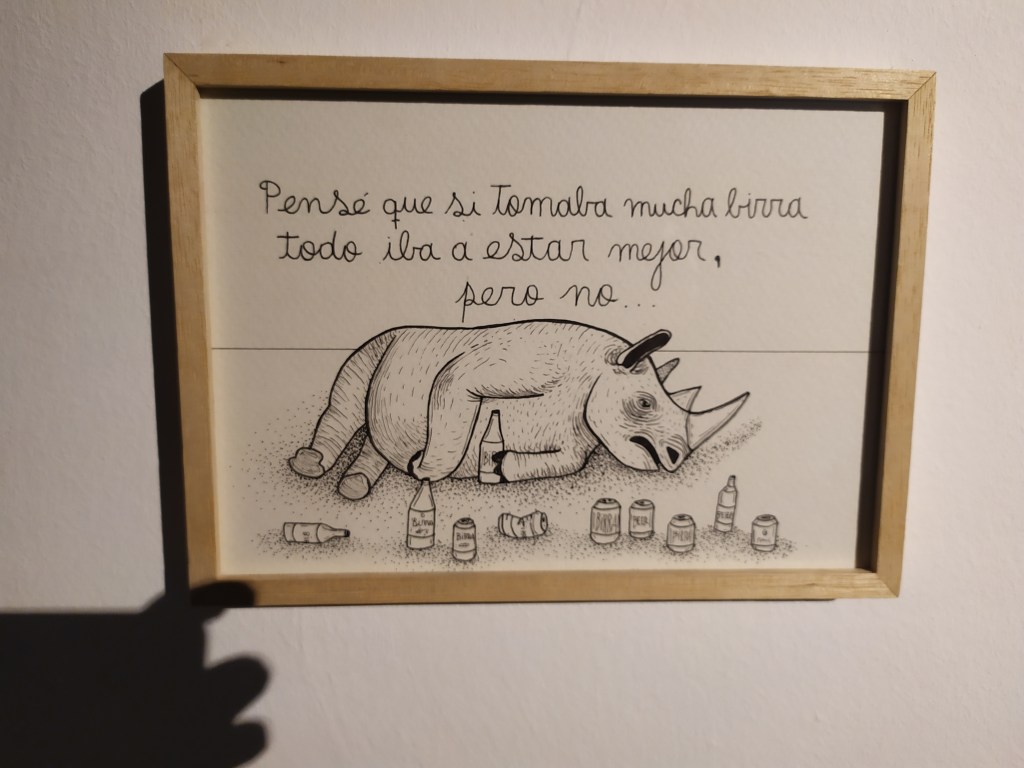
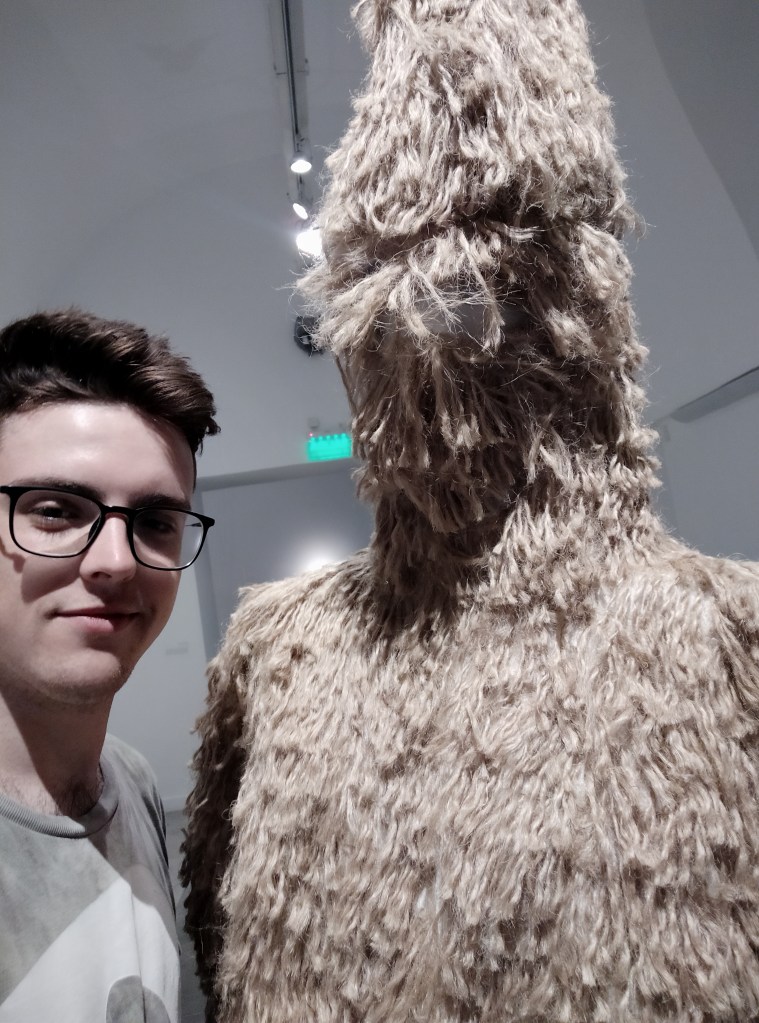
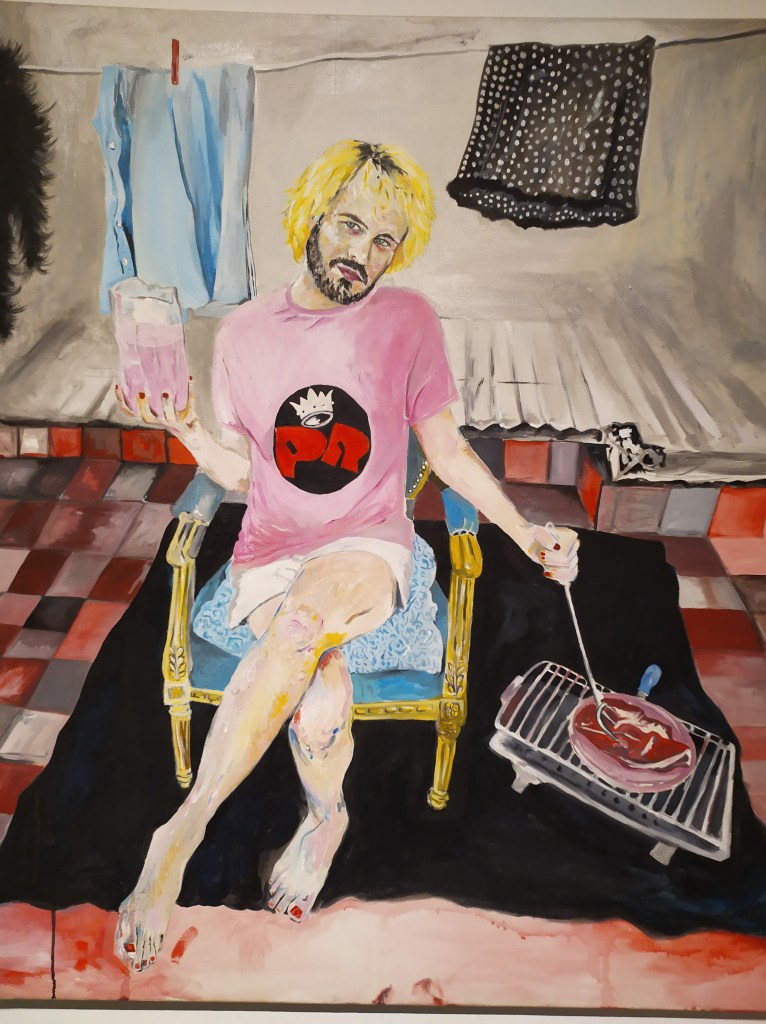
MALBA and Centro Cultural Recoleta were incredible galleries. The former dedicates itself to Latin American art, with many ‘interactive’ exhibits that invite guests to beat drums or enter inside the work itself. It is a fascinating visit for anyone with any interest in the continent’s cultural history, although just as entertaining for those of us that enjoy touching everything in sight (or pretending to drown in a swimming pool).

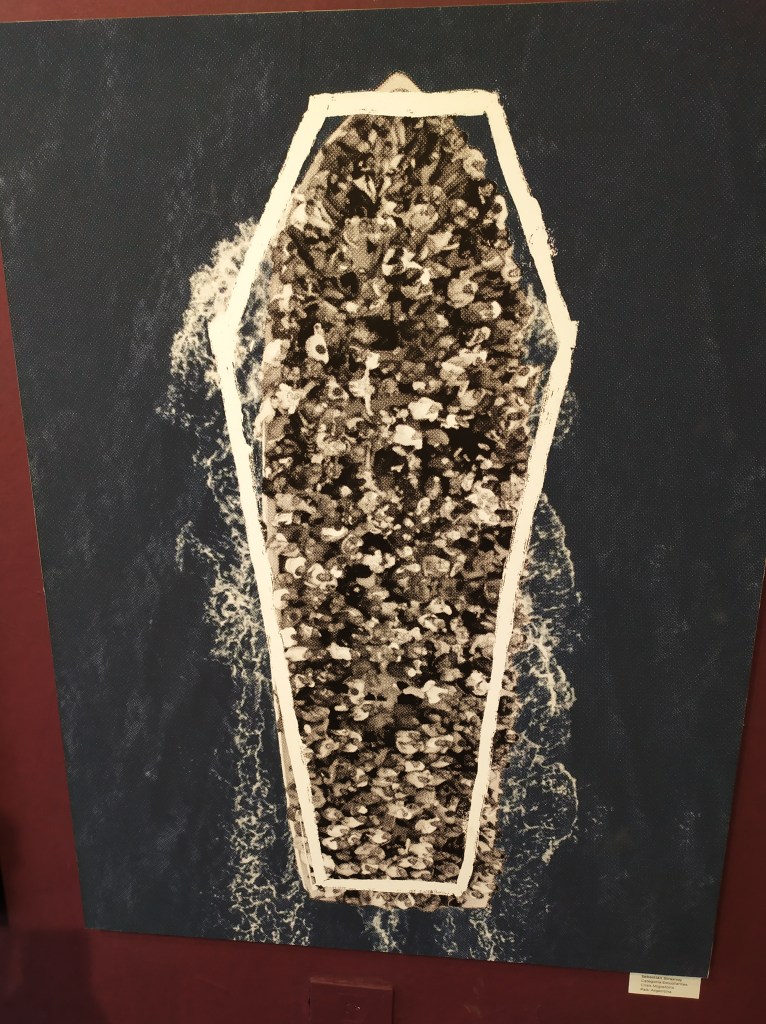
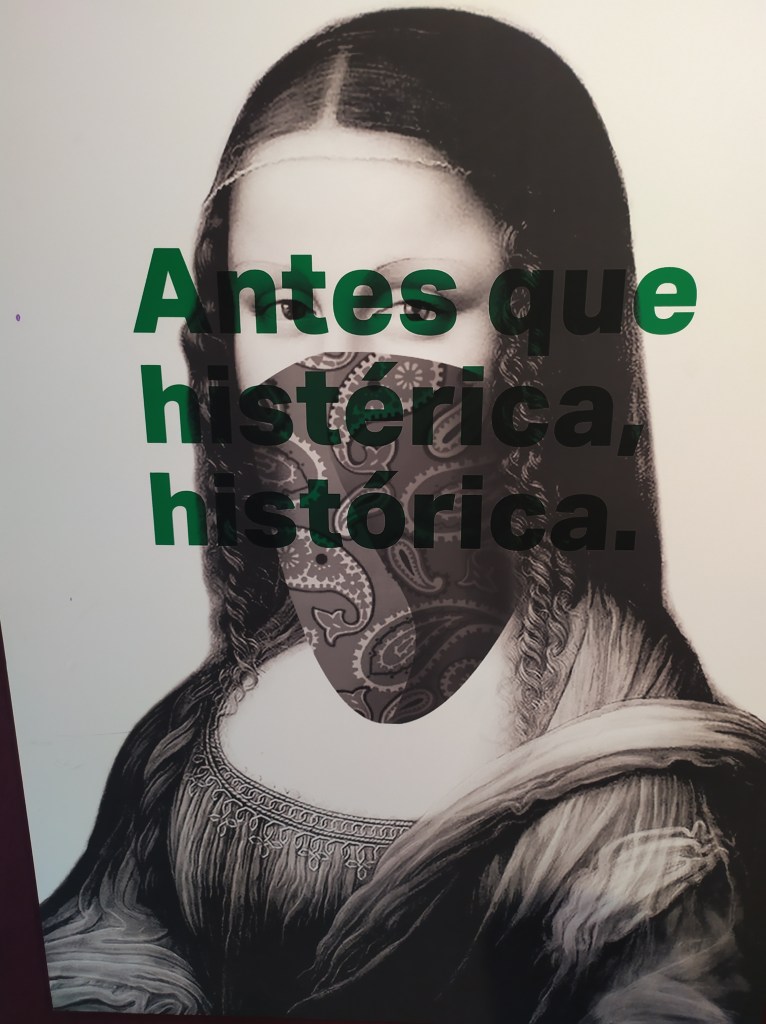
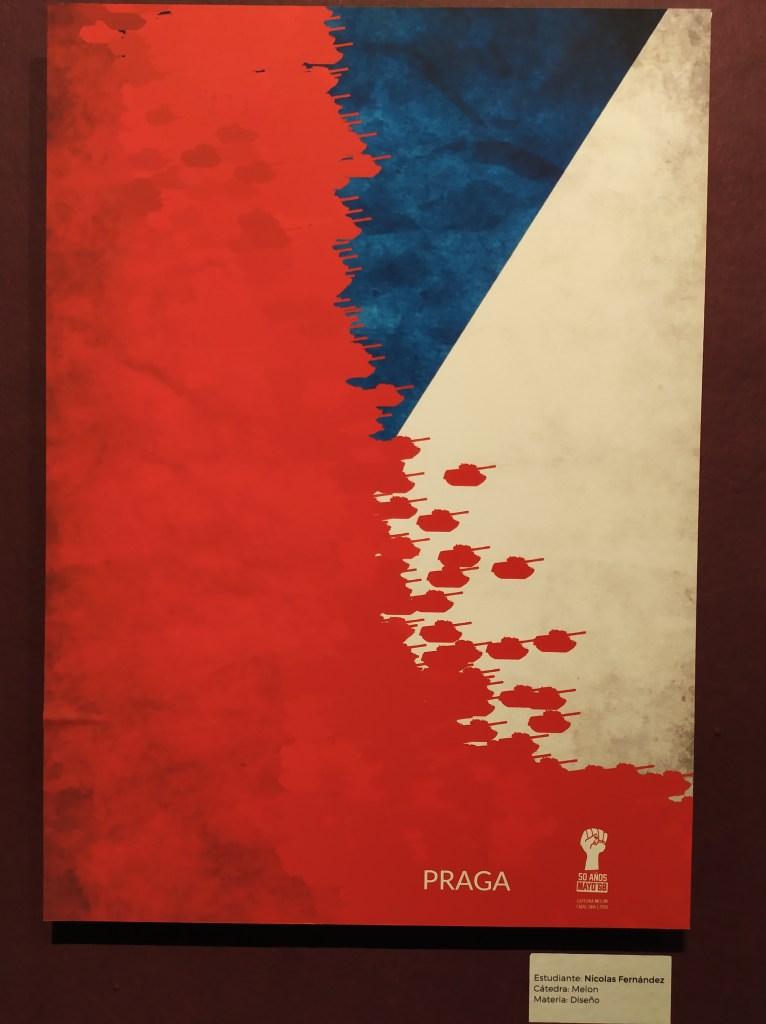
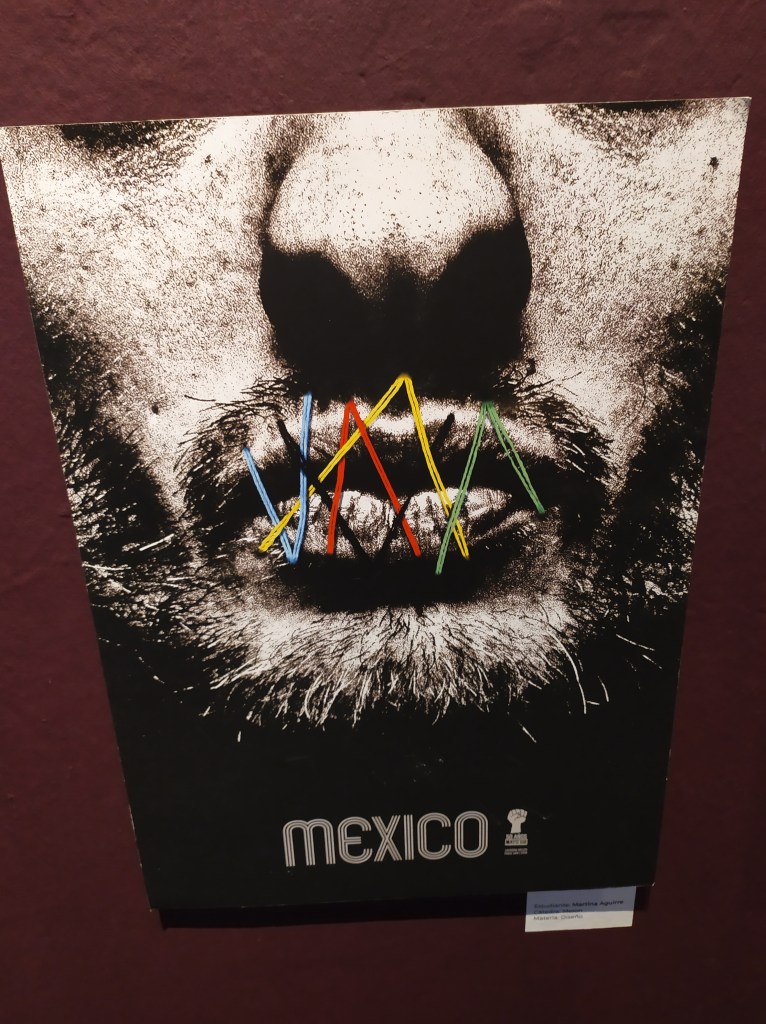
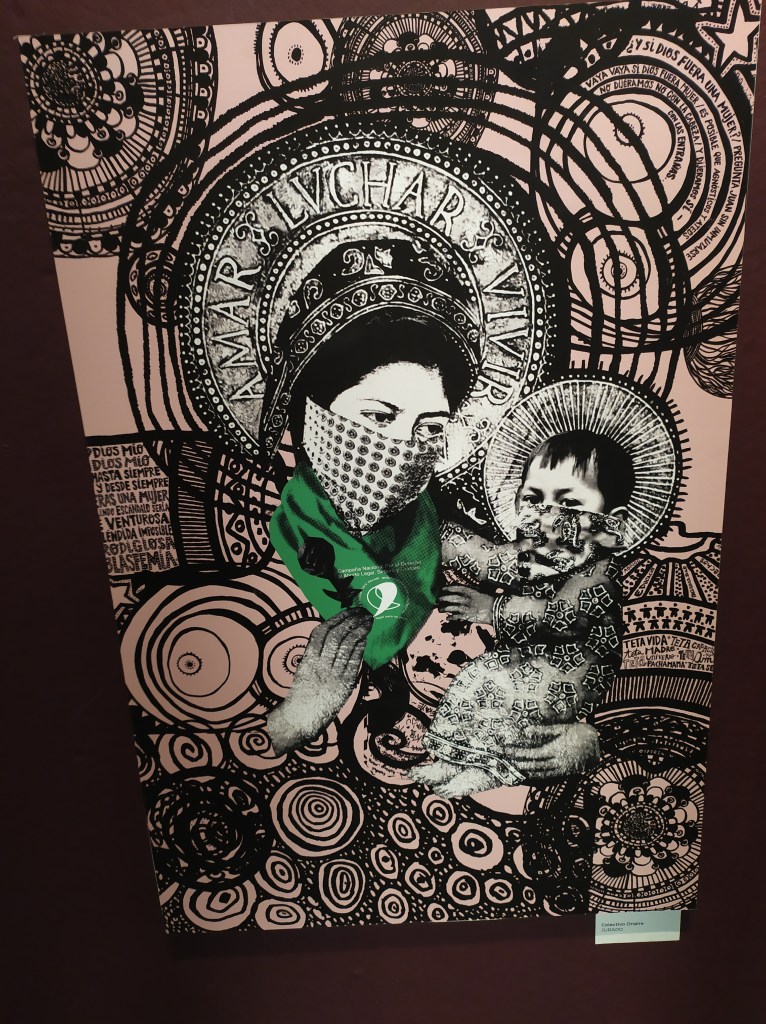
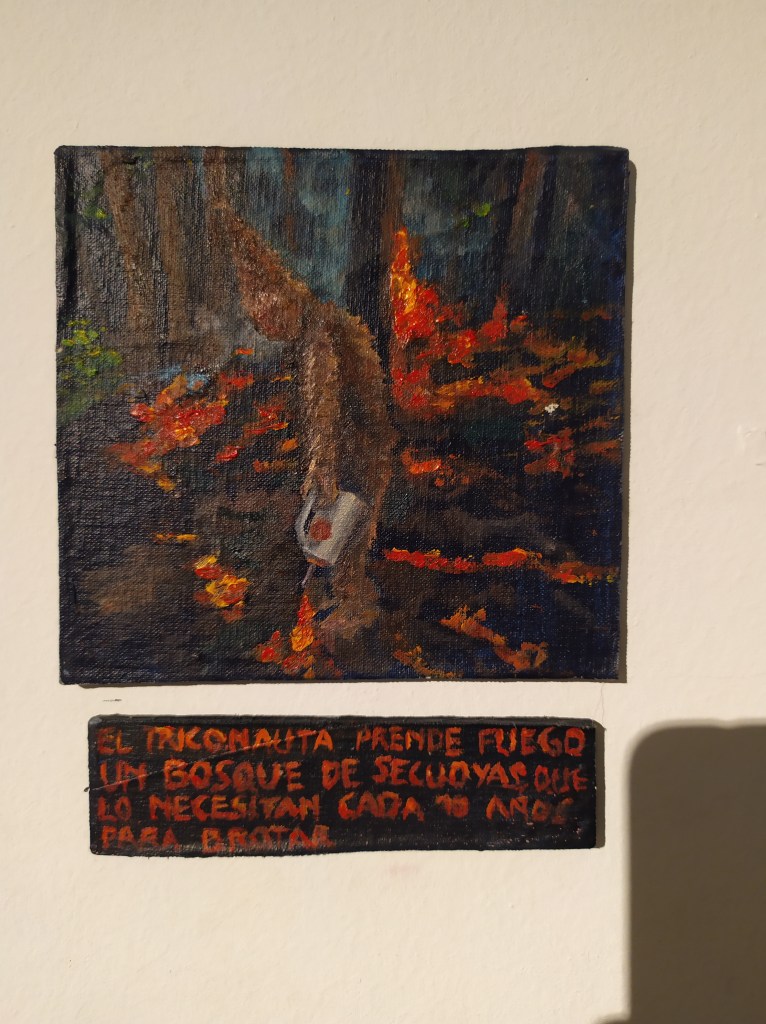
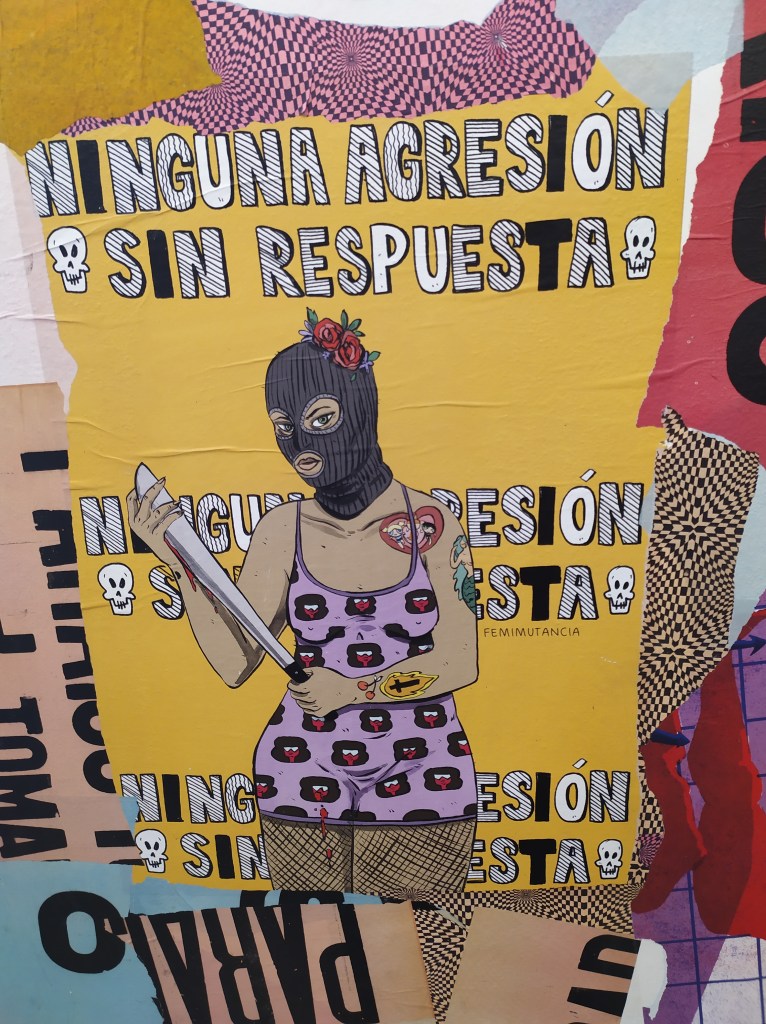
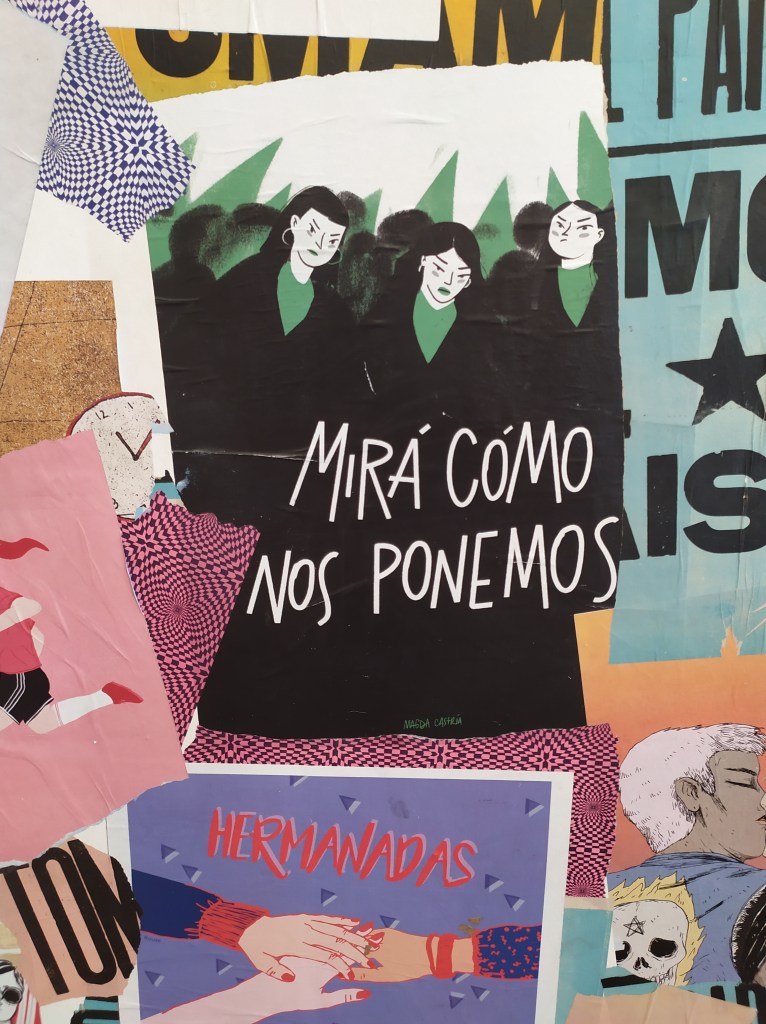
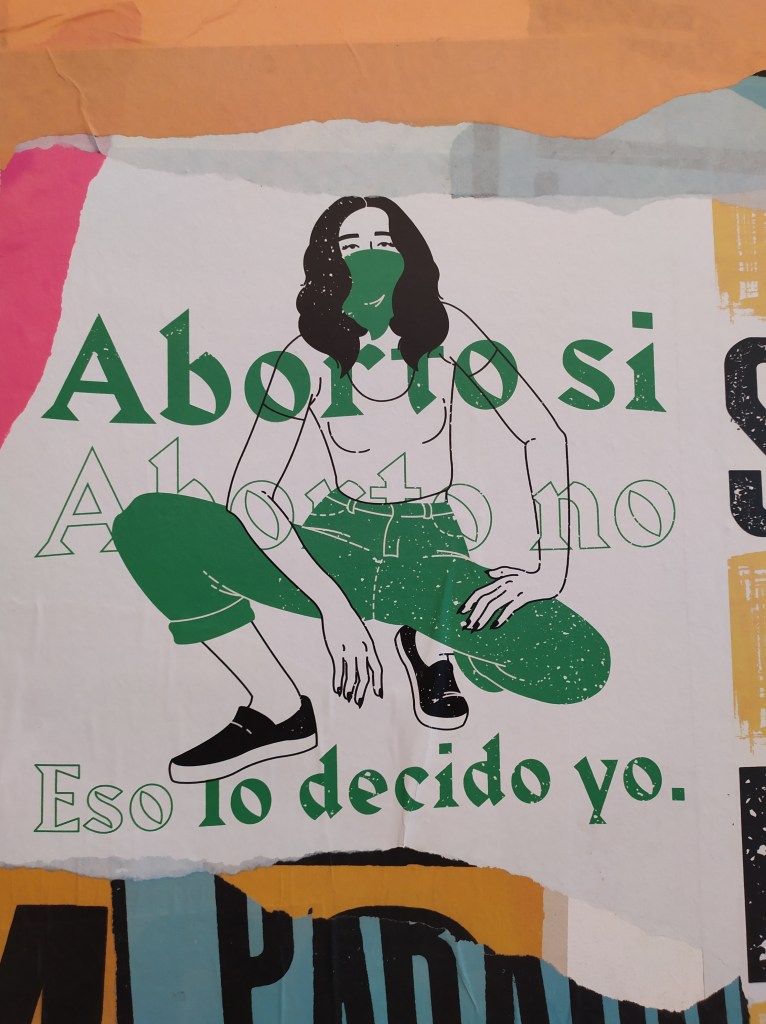
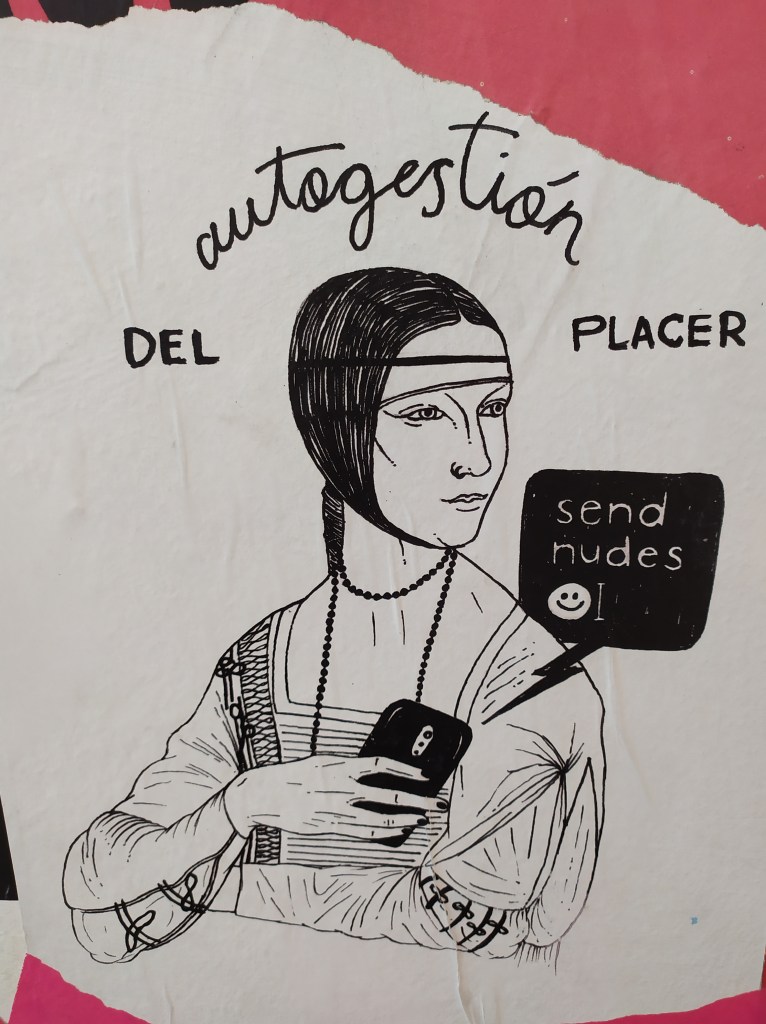
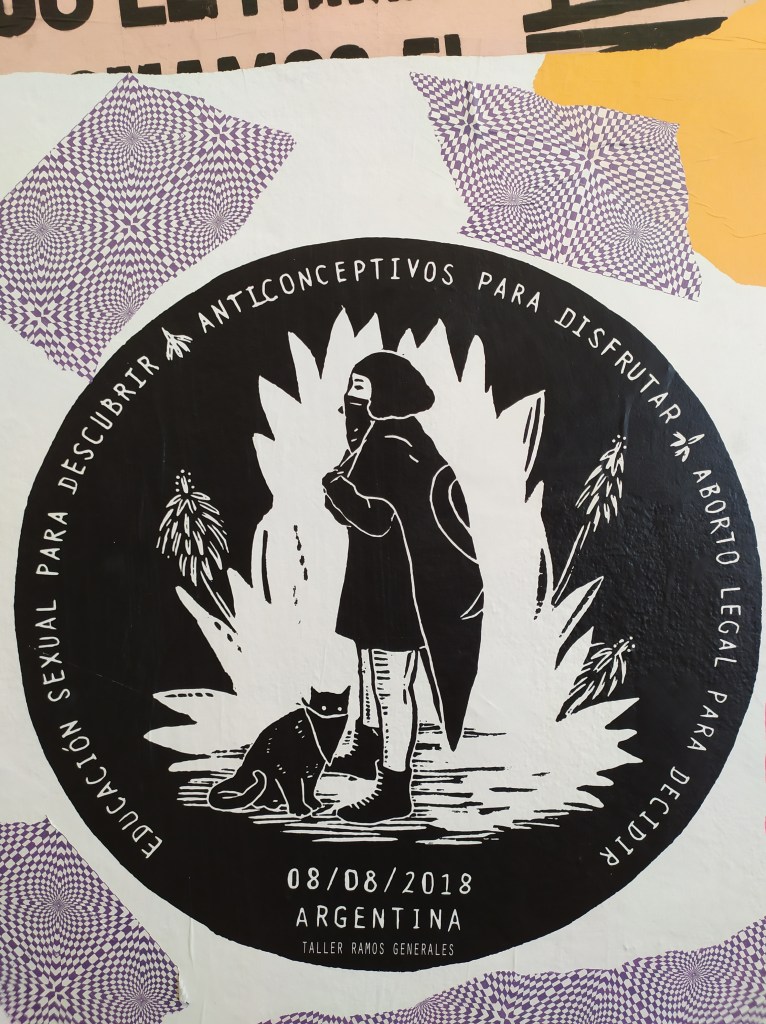
Centro Cultural Recoleta is very different. A left-wing gallery showcasing defiance in art. Protest images adorn walls in an artistic style, but it has become a hangout for young people too. Some dance to music blaring from a speaker, while others lounge in relaxation areas. The tourists are simply an addition.

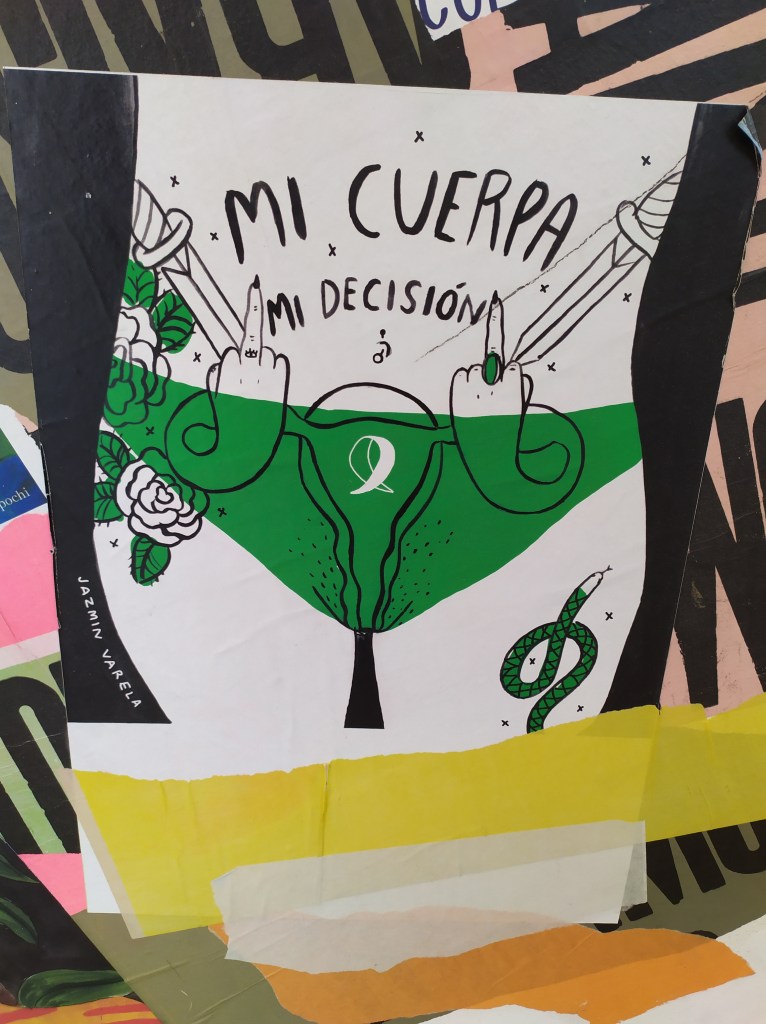
The most striking part of the Recoleta art centre, for me, was the corridor dedicated to the women’s rights movement here in South America. The images were hard-hitting and uncompromising. The green scarf movement is unmissable and cannot be summarised in a few short sentences. It’s a movement worth looking into and deserves a blog post of its own.


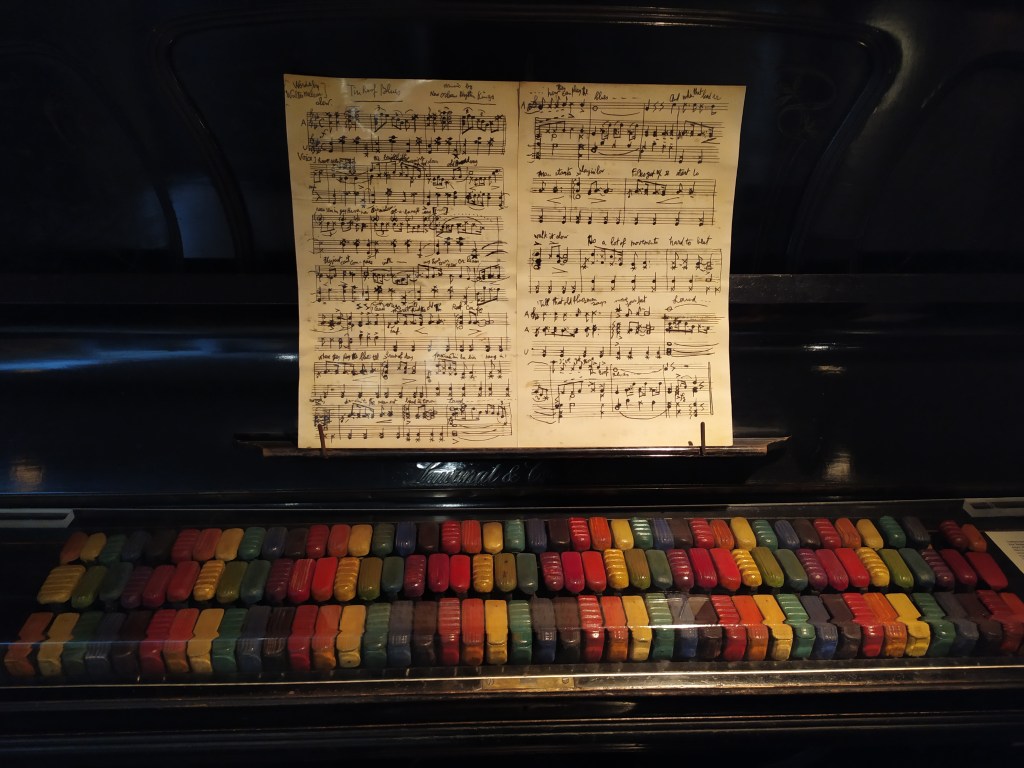
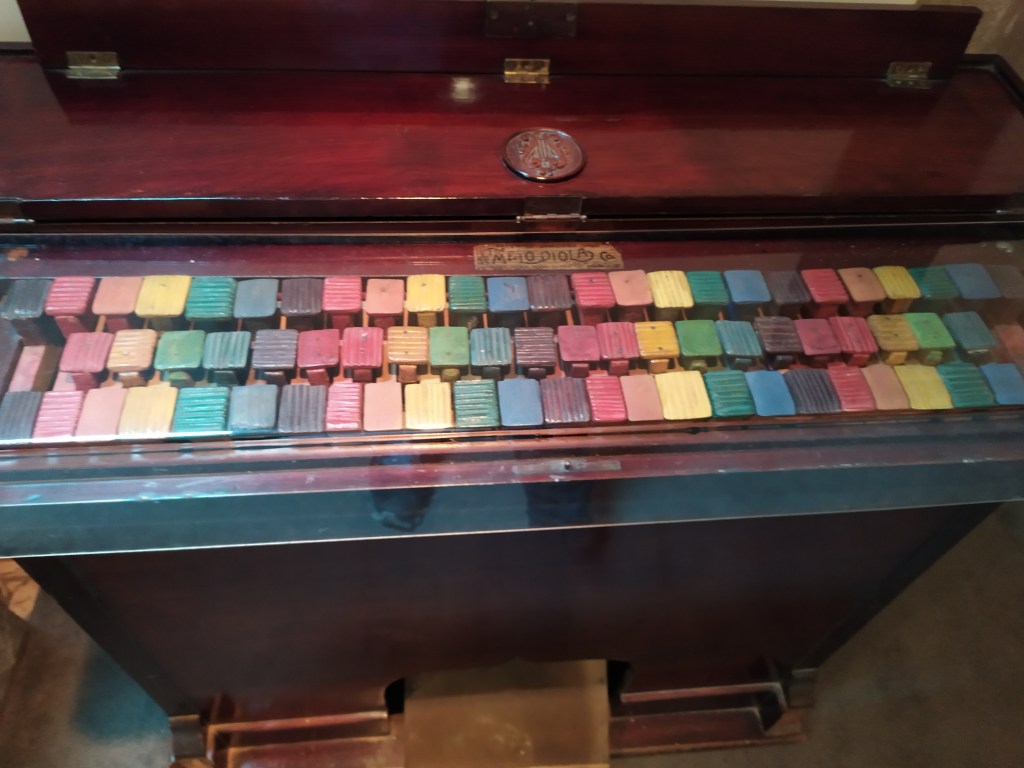
As for the Xul Solar Museum, the art was as odd as the arrival. After walking across the neighbourhood, I tried to enter, but the door was locked. I tried again and again, until eventually a woman came across from inside. She asked if I was looking to come in. I nodded politely and, still blocking the entrance, the lady asked where I had heard of the museum. I gave my response and she still looked bemused.

I did finally see the art (after having to convince the receptionist that I was not a student and should pay full price) and it was brilliant. It felt like looking inside the mind of a genius, which made it even more criminal that I was one of only three in the museum, including the security guard (clearly on a tough shift) and the receptionist (still eyeing me suspiciously as I made my way around). Amazingly, as I left, the door had to be unlocked again. A strange experience all round.

The night is dark and full of terrors

Not all of BA was floating around art galleries. Shortly after a delicious ice-cream (seriously, find yourself a good ice cream parlour), I stepped on a bus with Nina. As it got darker outside, a group of young men jumped on the bus. Within a minute, all hell had broken loose. Phones, headphones, bags were all being snatched.

Luckily for us, we were left alone, with the most I got was an eyeballing from one.

As chaos broke off the bus into the street, people screamed and tears were shed. It was a distressing moment for everyone on the bus and it sent adrenaline surging through my body. Nina and I were both aware that it could have been us chasing these thieves on another day.

Not all nightlife is badlife

The nightlife in BA is exciting and has a great vibe. Language exchanges were exciting and a great way to meet people from all over the world.

A latino bar/club was our home on a Saturday night, with the locals inviting us to dance with them and making us feel at home, despite clearly standing out. The people, overall, were incredibly friendly and fun-loving.

As for meeting women, between a number of us from the hostel, there has been many a tale to tell. From telos (‘love hotels’ rented for a number of hours), to being date-crashed by a woman’s mother, there has been no end to the hilarity when regrouping the following day. There is a wild side to the South Americans in BA, and it is something everyone should experience at one time or another.

As a final note on the city, the Selina Palermo hostel I stayed at was fantastic. Sure, the bathroom door was broken and I got locked inside without my phone. Sure, the balcony door was broken and I got locked outside without my phone. Sure, my door key stopped working and I got locked outside without my phone. Lesson learned is to always have your phone.

But the staff were out of this world. They looked after me in brilliant ways. Introducing me to people, bringing me rehydration sachets when I was ‘muerto’ in bed, and always having time to chat. It’s rare when you promise to return to a hostel and mean it, but in this case I did.

The hostel, aside from my issues with doors, was perfectly fine too. The rooftop bar was always heaving, with the staff being the live-wires that kept the atmosphere buzzing throughout. Not a bad location to watch the sunset across the city with a cocktail in hand and a choripan being prepared on the barbecue!

A European’s city in South America

A culture of conflict and cockiness is painted of Argentina, but Buenos Aires is about as close to a European city as I have experienced in this continent. More than anything, I had an exciting fortnight in the city, even on quieter days. There is never a lack of variety on offer and it is quietly a dark horse when thinking about the best cities to live in across the world.

Rio de Janeiro: Beaches, fiestas, and wrestling a taxi driver

Cuidade Maravilhosa, as it is referred to by many Brazilians, is truly the most remarkable city I have ever visited. The well-deserved moniker stems from the incredible diversity of attractions and events, as well as the beautiful landscapes in every direction.

To understand what makes Rio such an awe-inspiring place, it needs to be looked at as you would an artist’s canvas. The sun, sea and parties paint a bright and vibrant picture. Alone, this makes for a great image, but to appreciate the city in a way it deserves, you cannot ignore the dark hues that cloud around the edges and streak through the painting, like veins through a human body.

The city is filled with areas that are not safe to walk alone, even in the day time. The favelas vary in levels of danger, but none would be considered a smart choice to enter. The poverty here is very real and there are many reports of tourists accidentally entering the wrong territory, with it being the last accident they ever make.

Follow the rules

But with this danger is a charm that is unique to Rio. There are rules. If you follow the rules, you will get along fine. If you don’t, you may struggle.

One rule I’ve found is just use Uber. It’s the cheapest method of transport, less hassle than taxis, and there is no confusion over payment at the end.

Upon arriving at the airport, I hopped in a taxi after agreeing a fee. When we arrived, this fee had now been changed to almost double. The driver grabbed my bag and I had a bit of a scramble with him. In the midst of all this, I dug into my pocket and grabbed a couple of 2BR notes from my pocket (the equivalent to about 80p) and chucked them onto his lap. In his hesitation over grabbing the notes or continuing to wrestle me, I kicked the door open and jumped out. I didn’t look back.

Since then, I’ve used Uber wherever possible. It’s not an infallible system, but it works and is relatively safe and inexpensive.
Hot edit: I’ve since been informed by a friend of mine that our Uber back from Lapa, on a Friday night, cost about £40. So maybe not inexpensive after all…

More than just a place to rest

I stayed at Che Lagarto Hostel in Ipanema. The location is ideal. A few minutes from the beach and in a good area of the city. The rooms are basic, but nothing less than expected. The staff are as friendly as you could ever want. I actually joined one staff member on a trip to the gym, where he regaled stories from his time in Rio, including some sexual encounters that I will not type out for everyone’s sake.

The hostel has been packed every night with a mix of nationalities. French, Irish, Chilean, Brazilian, but mostly Argentinians who are coming across for their summer holidays, in the same way British people use Ibiza. As the whitest guy, with the smallest grasp of Spanish in the hostel, I have been referred to as Gringo for ease.

There has been some interesting nights and a few mishaps. Two people have fallen off top bunks, in separate incidents, and needed hospital treatment. Being in a top bunk myself, I’ve been sweating nervously that my time may be about to come.

Maybe as an offering to the hostel gods, I’ve managed to smash my phone on the cobbled streets outside while drinking. Hopefully, this satiates their thirst for faces hitting tile.

My little first aid kit has been used a few times already and I haven’t even left the first city on my travels.

Feeling hungry?

Some of the food and drink experiences I have had out here have been nothing short of perfect. Carpaccios, empanadas, caipirinhas, picanha steak, truffled fries, dumplings: it’s all been wonderful.

The only disappointing experience with food was when trying the traditional feijoada, a pork and black bean stew dish. The dish was fine, except for the ‘meat’. A friend and I spent far too long trying to work out what the meat was. Suggestions of tail, neck and eyeballs all came out, but we never found out. It was extremely fatty, but there didn’t seem to be much actual meat and some of the cuts were suspiciously shaped. We did our best but could not finish it.

Aside from that, I cannot speak highly enough of the food. Everything has been of a high quality and freshly made. From high end restaurants to street vendors, there is a great array of choices for everyone. My personal favourite spot, although expensive, was ViaSete, a modern restaurant not far from the hostel.

Can I have some caipirinha with that cashew?

In terms of drinks, the caipirinha reigns supreme. A delightful cocktail that is traditionally made with cachaça and offers the necessary refreshment for a hot summer day.

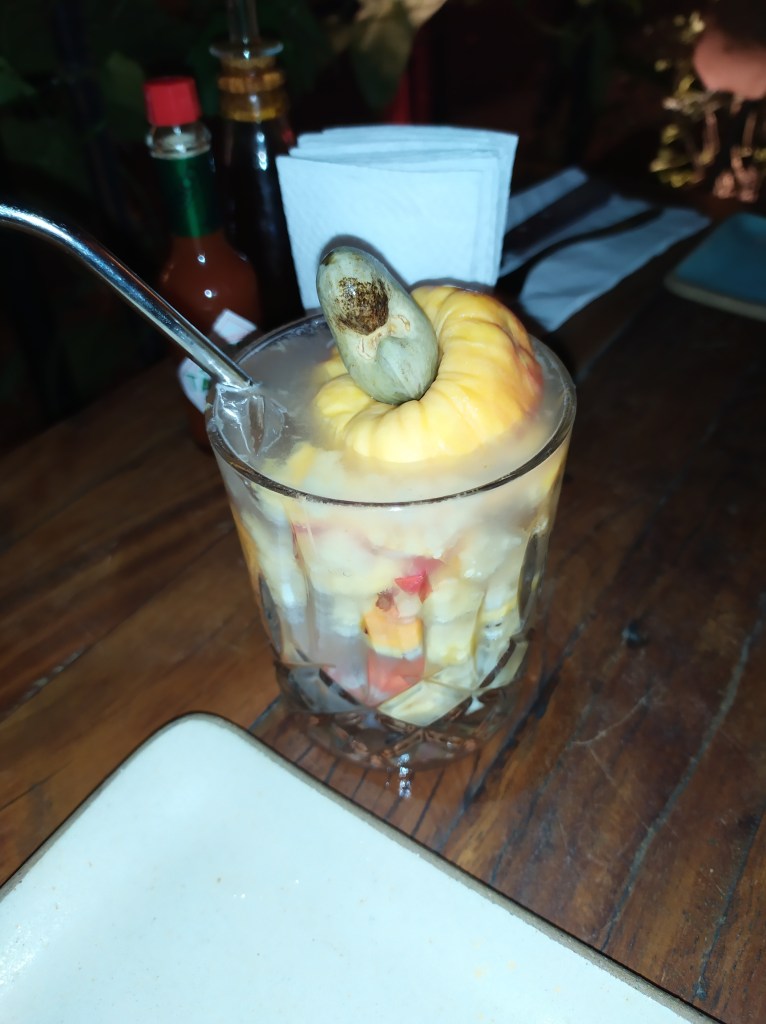
I’ve had several varieties, including a cashew caipi, a passion fruit caipi, and a ginger, honey and black pepper caipi. Honestly, the traditional lime caipi is still the best, but it would be criminal not to try a few different types.

The local beer is quite dry and lacks real flavour, but it’s good if you are looking for something to wash down a meal or sip in the sunshine.

Contrasting worlds

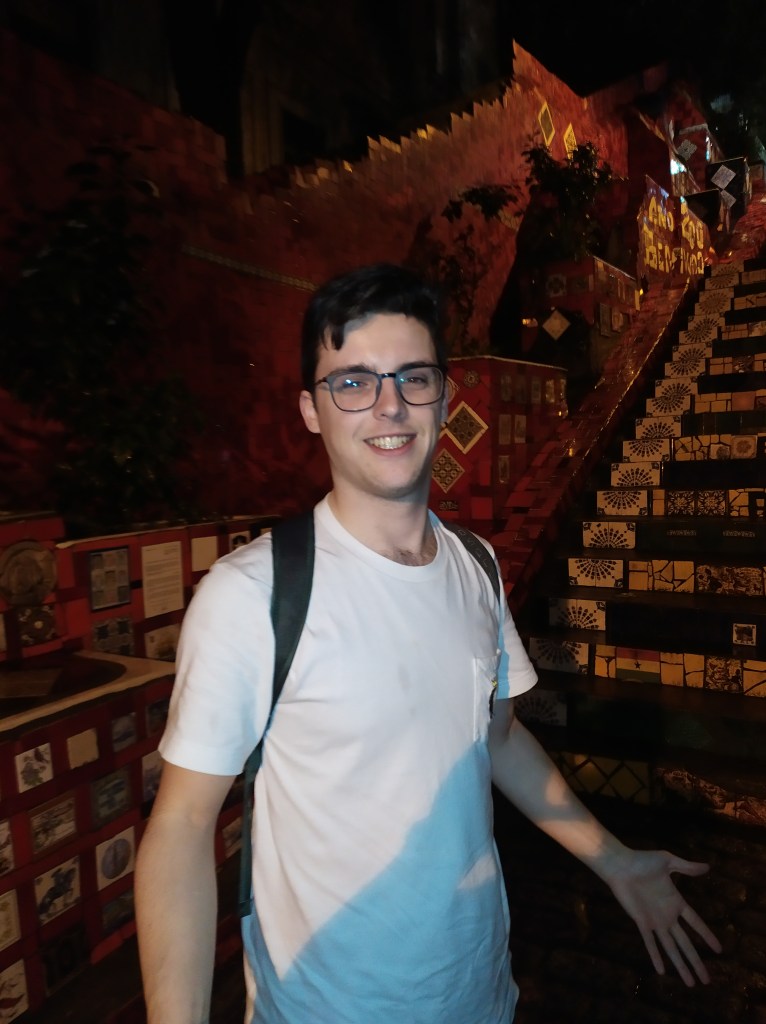
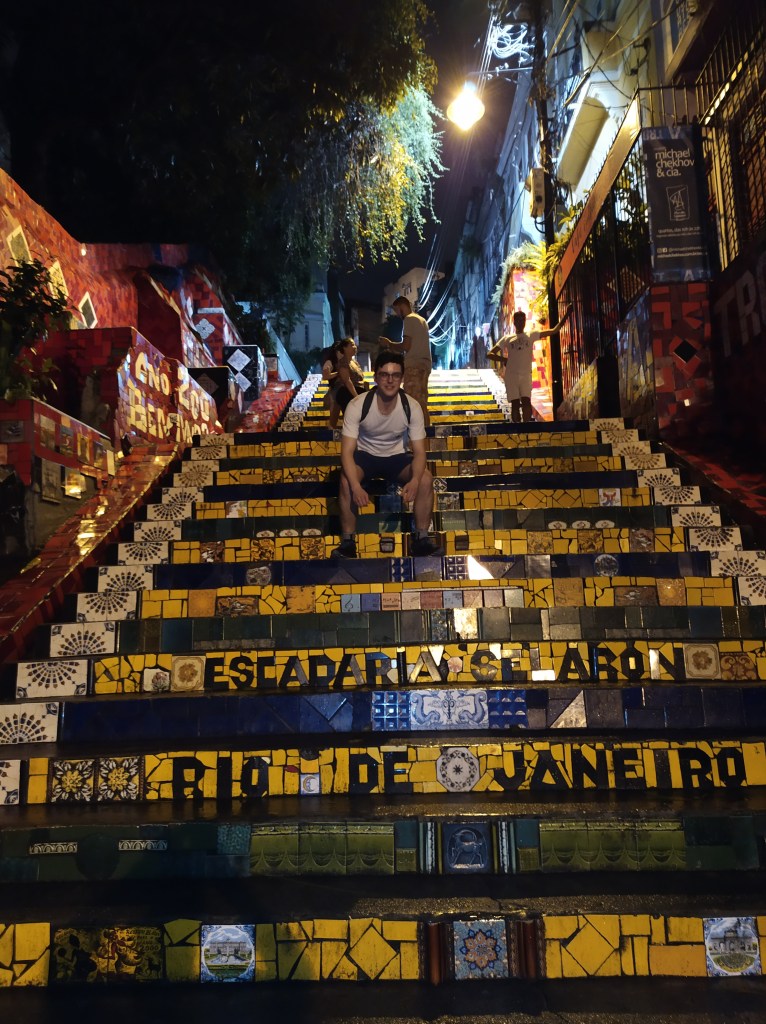
A fellow traveller and I visited Lapa at night, to view the world-famous Escadaria Selarón, with the timing being perfect to avoid throngs of tourists. Jorge Selarón’s passion-driven story behind creating these steps shows exactly the spirit that can be found in Rio and it’s a feature that cannot be missed.

Walking up this psychedelic mosaic steps, you can almost forget the dangers of the area. Almost. As the only people on the steps at this time, alarm bells began ringing when we saw two figures shifting up towards you, slowly eyeballing you. Luckily for us, the two figures broke into a U.S.-accented dialogue and we got chatting before parting ways.

Being unaware of the nearby favela, we passed up through the gates at the top of the steps. Immediately, there was an uneasy feeling. The contrast from the dazzling steps as we passed into the grey, murky backstreets of Lapa was ominous. On the steps, the predominant sound is music coming from the bars at the bottom. Through the gates, this music is lost and instead the sound of waste pickers dragging bags along behind them can be heard, with the distinctive clink of aluminium cans. The homeless line the streets, sleeping under blankets and archways. We continued to walk, curiosity driving us forward and eventually came to an Irish pub — not a place I expected to visit.

The art world steps up its game

It had just opened for the evening and the two ladies inside, the manager and another employee, were so hospitable. They invited us in, explained a bit about the area, and sat with us as we had a drink. Their main advice: go back to the steps and go back to Lapa’s main street. This backstreet was not safe for us to be walking down. Despite all this, it was a great opportunity to meet some locals and get to know a bit more about the darker side of Rio.

The next time I experienced Lapa was also at night. I went in with some Chilean friends on a Friday night. Lapa on a Friday night is carnage. Once again, follow the rules. Don’t leave the main strip and do not pass the arches.

Having realised that the friends I was with had different plans to me, I left the bar they were in and went in search of some other people I knew. Needle in a haystack is an understatement. Imagine walking through crowded streets, having finished a few caipis already, in an unknown place, searching for people that you met once or twice and can’t remember the names of.

Luckily I had a couple of numbers, but in my search I wandered past the arches. As a true gringo out here, I stood out like a sore thumb. I had eyes on me and rushed through the streets to get back ‘onside’.

After a sketchy few minutes, I made it back through the arches and eventually found the people I was looking for. A crazy night of samba and MPB (música popular brasileira) ensued at Leviano Bar – a fantastic bar/club with the atmosphere expected of Rio’s nightlife.

And there’s some quite okay sights…

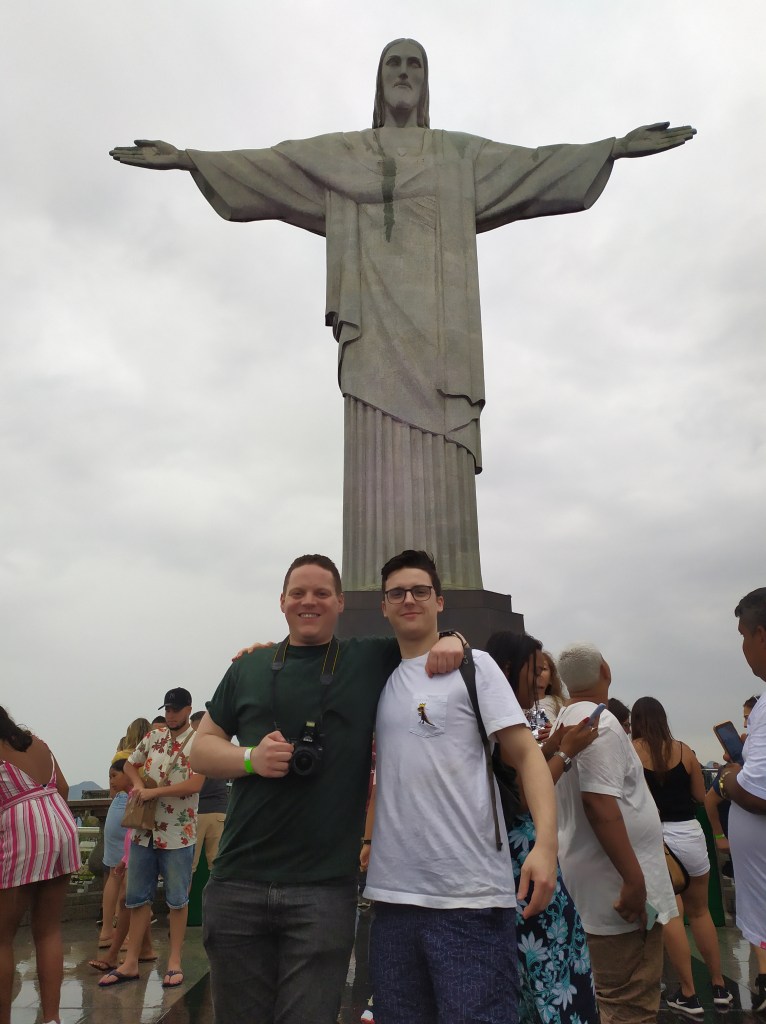
Cristo Redentor was special. The queues up slippery stone steps were tiresome and the weather wasn’t the best to take photos of the landscape, but there is a powerful aura that surrounds the big man and it creates a fervour across the crowds.

Jesus Christ he’s big!

I don’t consider myself religious, but I was raised Catholic and enjoy visiting religious sites in my travels. This is one of the more impressive sites and quite rightly a modern Wonder of the World. It isn’t just something to visit. The statue overlooks the entirety of Rio. You can see it from various places, giving a divine presence to the backdrop of many photos.

If you do visit, make sure you run around the back of the statue. An intimate little church is embedded in the plinth that he stands upon and most tourists miss this, unaware of its existence.

The botanical gardens were a big favourite of mine too. The fauna and the serene atmosphere took the edge off a strong hangover and not even heavy rain could dampen the experience. The variety of art, statues and wildlife meant we stayed for several hours, trying to see every corner of the park.

I didn’t visit Sugarloaf mountain, but I may sneak back to Rio before leaving South America because it was recommended by everyone who went.

Obrigado, Rio

All in all, Rio de Janeiro was unforgettable. A first stop in my journey but I will be visiting again. If that’s in a few months, or a few years, it doesn’t matter, but it combines scenic landscapes with a sprawling metropolis and the whole city breathes South American soul. A marvellous city indeed.